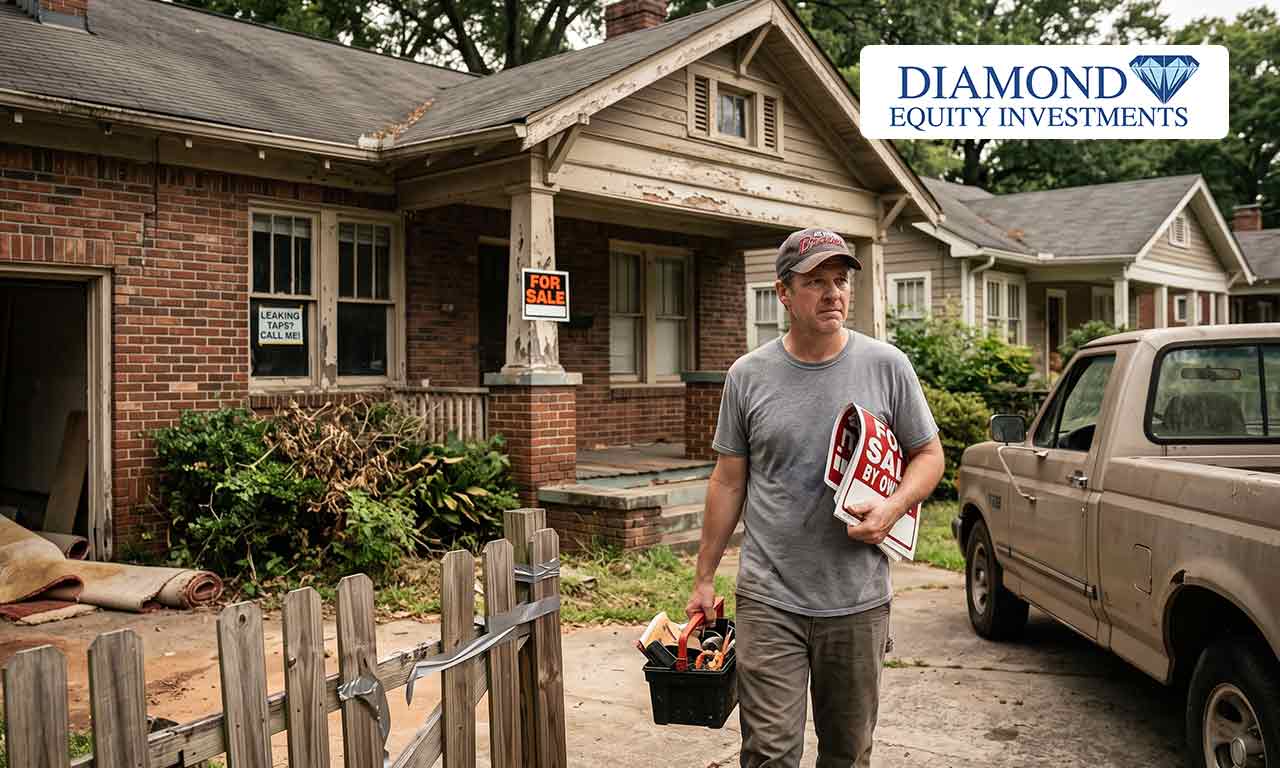

Who Buys Homes For Cash In Atlanta, And How Do You Know If Their Offer Is Fair?

Who Buys Homes for Cash in Atlanta – Cash Home Buyers Evaluating a Property and Making a Fair Cash Offer

Would you accept $190,000 for a house that you believe is worth $250,000? Some homeowners wouldn’t even consider that offer.

Others might jump at it, especially if selling the house the traditional way means spending thousands on repairs and waiting months for the right buyer to come along.

Of course, there isn’t one right answer; it all comes down to the house, how much money you’re willing to spend, and how much you want to deal with before the sale is finalized.

If selling to cash home buyers in Atlanta interests you, it’s important to learn how to evaluate their offers so you don’t end up accepting a bad deal.

Why Do Cash Buyers Want Houses That Need Work?

Most traditional buyers prefer a fully renovated property, but some buyers want properties that need work. Why? Because rundown houses can be improved and flipped for a profit.

Take an old house in Atlanta with a damaged roof and a kitchen that hasn’t been updated in years.

A new family looking for a home probably won’t want to deal with repairs and upgrades. An investor, on the other hand, might see the property’s potential.

So if your house isn’t in the best shape, and you want to sell it, considering house-buying companies in Atlanta may be a good idea.

But if you choose this route, it’s important to remember that investors factor repair costs and other expenses into their offers. This explains why cash offers tend to be lower than those made by traditional buyers.

What If The Offer Is Much Lower Than You Expected?

Let’s say your home could sell for about $280,000 after you’ve made repairs. Now, let’s say you contact a cash buyer, describe its condition, and they offer $210,000.

To anyone, that $70,000 difference is a lot of money.

But before you dismiss their offer, find out which repairs are necessary. Maybe the roof needs to be replaced, maybe the basement has water damage, or maybe the heating system is old. All these repairs could be costly.

Of course, you could just do the work and then put your house on the market. But this route could be expensive, and there’s no guarantee you’ll get top dollar.

This is why it’s important to understand how a buyer arrived at their offer. If their offer makes sense, accepting it may be better than gambling on renovations.

And just because an offer is on the lower side doesn’t mean it’s inherently unfair. Some buyers offer less because they assume the seller has financial troubles and needs to sell the house quickly.

At the end of the day, it’s up to you whether the offer works.

How Do You Find Out What Your House Is Really Worth?

Start by looking at houses in your neighborhood that have sold recently. Try to find properties that are similar to yours in size, location, and condition.

And just because a house is listed at $300,000 doesn’t mean yours will sell for that amount. The owner may have to lower the price, or maybe the house has features yours doesn’t.

You can also speak with a local real estate agent and ask what your house might sell for in its current condition.

Next, get estimates for necessary repairs. You don’t need to renovate the whole property just to find out what it might be worth. A few estimates for major repairs can give you a good starting point.

Let’s say you could sell the house for $250,000 after repairs are made, but the repairs cost $30,000. And don’t forget to consider other selling expenses and the bills you’ll keep paying while the house is on the market.

Suddenly, the difference between the cash offer and what you could get selling the traditional way doesn’t seem so large.

Should You Contact More Than One Cash Buyer?

Yes, and there’s a good reason.

Suppose one company offers you $180,000 and another offers $200,000. That $20,000 difference isn’t insignificant. Wouldn’t you want to know why one offer is higher than the other?

Well, one buyer might expect the repairs to cost more, while the other may see more potential in the property. Ask them to explain their offers instead of guessing.

And when you’re comparing offers, think about the conditions these companies are considering when making offers; don’t just look at the price.

Also, make sure there aren’t any closing costs or extra fees involved in the deal; many buyers cover all closing costs and don’t believe in hidden fees.

Lastly, you should never hurry just because someone says they need to close the deal quickly.

What If Your House Needs Major Repairs?

Some houses need much more than a fresh coat of paint.

There could be water damage, broken windows, old electrical wiring, and rooms that haven’t been touched in decades. Perhaps the property has been vacant for years, or maybe you’ve inherited a house that’s full of old furniture and belongings.

You might not have the money to fix everything. And even if you do, you may not want to spend the next few months managing contractors.

This is where investment companies that buy houses for cash come in.

If you know the roof leaks or the basement floods, say so. Selling as-is doesn’t remove your legal obligation to disclose known problems. Make sure you understand all disclosure requirements before you agree to sell.

And don’t think you have to start spending on repairs just to find out whether a buyer is interested.

Before Accepting An Offer, Check These Things

Before moving forward, it’s important to understand exactly what you’ll be agreeing to.

Getting a deal done is one thing; agreeing to a deal that works for you and the buyer is something else.

Check who will be responsible for closing costs. Also, ask if you’ll be responsible for any fees.

Of course, make sure you’re clear on the timeline, and know what happens if the buyer changes their mind.

Read through the paperwork carefully. If anything is unclear, do not hesitate to ask for clarification. It may also be wise to get a real estate attorney to look over the deal before you sign.

Be wary of buyers who pressure you into signing or refuse to answer specific questions. And make sure you have enough time to evaluate the offer.

If necessary, check reviews of the company and speak with previous clients before making a deal.

Is Selling To A Cash Buyer The Right Choice?

The answer here largely depends on your situation.

If your house is in good condition and you have plenty of time, then going the traditional route may yield a good outcome. You might get a better price, but this isn’t guaranteed.

On the other hand, if the property requires many repairs, has been vacant for some time, or costs a lot to maintain, selling it as-is may save both time and money.

Diamond Equity Investments specializes in purchasing houses that need repairs. If you’re looking for a trusted, reliable buyer, get in touch with us to discuss your situation. We can usually make an offer in 24 hours.

In the end, sometimes a house is worth fixing, and other times it’s not. Do the math, evaluate your options, and choose the best path for your unique situation.

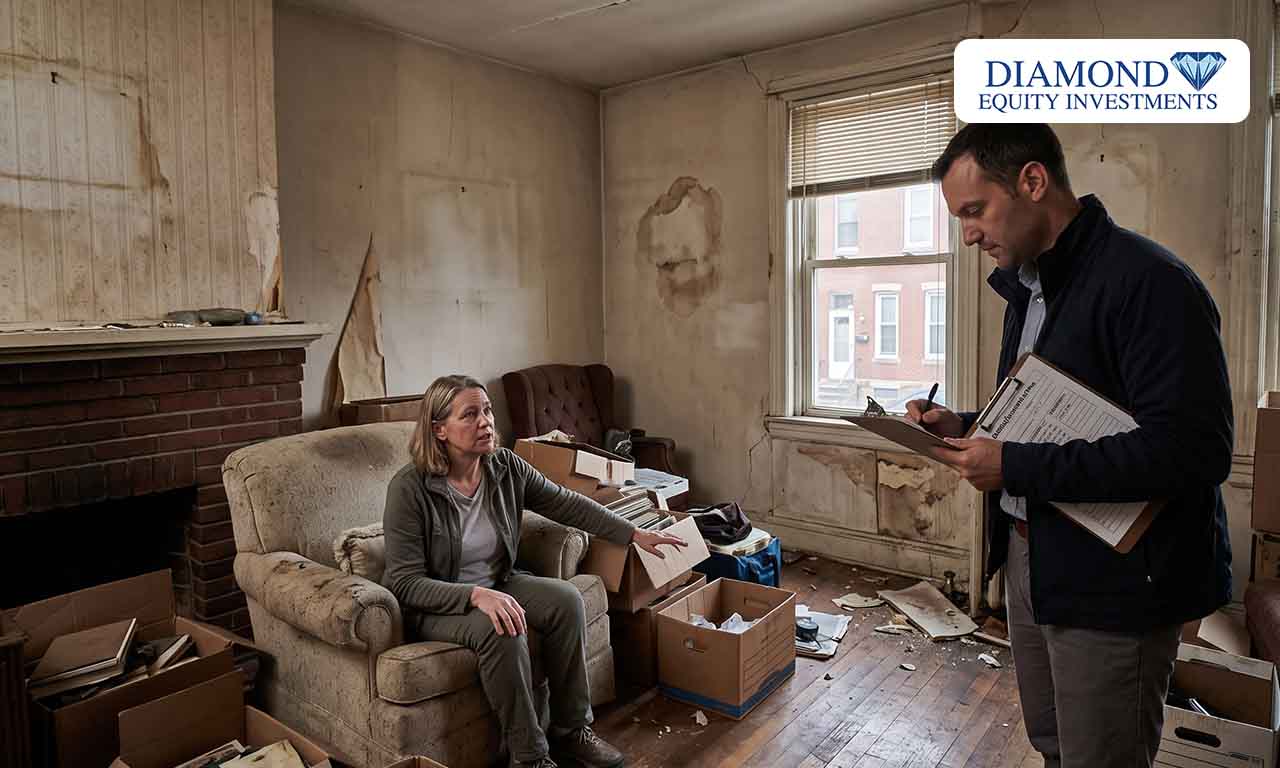
Who Buys Houses In Any Condition? Options For Chicago Homeowners With Difficult Properties

Who Buys Houses in Any Condition? Options for Chicago Homeowners with Difficult Properties – Chicago Home Buyers (Property in Any Condition)

You know the house needs work. The kitchen hasn’t been updated in 20+ years, and there’s a hideous water stain on the bedroom ceiling. Then you get down to the basement and immediately notice that damp smell.

You’ve thought about selling, but the idea of fixing everything first sounds quite daunting.

So you start searching for people who buy houses in any condition. Surely, someone out there will be willing to purchase your property as-is.

Fortunately, there are buyers in every market; the hard part is figuring out which is best for your situation and how much money you might leave on the table from selling as-is.

Not Every Buyer Wants A Perfect House

Some folks don’t want to do a lot of work after moving into their new home. They don’t want to replace the flooring, hire contractors, or figure out why the basement floods.

At the same time, there are buyers who are looking for these kinds of properties.

Renovation firms and investors usually buy old houses that need repairs; they do the necessary work and then sell or rent the property. A property that looks like a problem to one buyer may seem quite appealing to another.

Of course, just because your home has been fully renovated doesn’t mean it’s going to sell for top dollar; buyers consider a range of factors when calculating offers.

Not all issues are equally bad, though. Peeling paint is one thing; flooring issues, flooding, and unresolved title problems are a different story.

You Could List The House Without Fixing It

A lot of homeowners assume they must renovate before contacting a real estate agent, but this is a misconception.

You can put a house on the market in its current condition. After all, as we’ve established, there are buyers who look specifically for fixer-uppers, especially in neighborhoods where renovated properties sell for considerably more.

But be prepared for questions.

A buyer may want an inspection. Plus, their lender may require repairs. Sure, you might receive an offer, but you may also spend weeks negotiating repairs or credits.

Sometimes, a sale goes through without much trouble; other times, a buyer backs out after discovering problems they hadn’t expected.

If you’ve got time to wait and you’re comfortable dealing with showings, inspections, and negotiations, listing the property may still be worth trying.

What About Selling Directly To A Cash Buyer?

Imagine you just inherited your parents’ house, which has been vacant for the last eight months. Unfortunately, you live far away, so you can’t keep an eye on it.

You could hire specialists who will empty it, repair it, and prepare it for the market. But what if you don’t want to spend another six months dealing with a property you never wanted to own?

This is when many owners of inherited properties turn to companies that buy houses for cash.

Instead of getting the house ready for showings, you let the buyer assess its current condition and wait for them to make an offer.

It may surprise you, but there are buyers out there who’ll purchase all kinds of properties, including ones with an old roof, faulty wiring, an outdated interior, and years of junk sitting in the basement.

Of course, the buyer’s offer will reflect the cost of the work they intend to do, as well as the time it’ll take to get the house ready.

A $30,000 Repair Bill Changes The Conversation

Picture a house that could be worth $240,000 if it were in perfect shape.

You hire a contractor to evaluate it. Eventually, they say it needs a new roof and has water damage in the kitchen. Plus, it’s relying on a heater so old there’s no guarantee it’ll work next winter.

Then you get a repair estimate of $30,000. So what do you do now? You can either go ahead and make the repairs or sell it as-is. But if you choose the first option, there’s no guarantee that you’ll be able to sell it for $240,000.

Alternatively, you can get in touch with cash home buyers in Chicago and ask for an as-is offer. Once you have their number, you can compare it with what you could get from a traditional sale.

What If The Property Is In Really Bad Shape?

Many houses are in rough shape.

Some have been abandoned for years. In these, you may find cracked walls, broken appliances, and damaged flooring. And if rain has been coming in, expect a mold infestation.

Perhaps the previous owner passed away, or maybe they became too old to do routine maintenance.

And what if the house is filled with furniture, the garage is piled to the ceiling with junk, and the garden has gotten out of control?

In this situation, many homeowners look for investment companies that buy houses as-is.

Some investors are specifically looking for extensively damaged properties.

Of course, every company has its own requirements. You will have to provide details about your situation, and then it’ll be up to the investor to make a decision on what to do.

And don’t shy away from discussing known problems. Illinois law requires sellers to provide information regarding existing problems, and just because a house is being sold as-is doesn’t mean your disclosure obligations are waived.

But don’t jump straight to repairs unless you know for sure what you’re going to get for the house.

When Selling Quickly Matters More Than Renovating

There are several reasons someone might want to sell a house sooner rather than later, including

  • Job relocation
  • Divorce
  • Inherited property
  • Paying two mortgages after buying another home
  • A vacant house that’s becoming expensive to maintain

But just because you’re facing one of these situations doesn’t mean a cash sale is automatically the best answer. That said, in each of these situations, the timeline is very important.

Before You Sign Anything

Get the offer in writing and read the proposed contract.

If something isn’t clear, ask. Also, don’t be afraid to get a real estate attorney involved. You should know:

  • Who pays the closing costs?
  • Is there an inspection period?
  • Can the buyer cancel?
  • Will you be expected to remove everything from the house?

Don’t let anyone rush you; that’s a major red flag.

It also helps to speak with more than one buyer; this way you can compare offers.

Who knows? You may discover that the house won’t have a hard time selling the traditional way. Or you may find that the difference in sale proceeds isn’t worth the repairs or waiting.

If your house needs repairs or isn’t in the best shape, finding a cash home buyer in Chicago can make selling a lot easier.

Diamond Equity Investments works with homeowners who are facing a range of difficult situations.

Whether your property needs major repairs, has been vacant for a while, or isn’t in the best condition for a traditional sale, we can help you figure out what the next best step is.

Who Buys Houses in Any Condition in Philadelphia and Why?

Buys Houses in Any Condition

Who buys houses that need work? You may have seen companies advertising, “We Buy Houses in Philadelphia,” and wondered what that really means. Do they actually buy houses in poor condition, or do they still expect you to fix everything before they’ll make an offer?

It depends on the buyer, but some companies in Philadelphia buy homes as-is. You can discuss the house with them without first turning it into a perfect, move-in-ready property.

Who Buys Houses in Any Condition?

There are a few different types of buyers you might encounter. You may meet real estate investors, cash home buyers, and house-buying companies in Philadelphia that allow homeowners to sell directly. Some of these companies buy the house themselves. Others may work with investors who plan to renovate the property, rent it out, or sell it after making improvements.

The reason they’re interested in houses that need work is simple. They already expect the property to require money and work after they buy it. If you have a house that needs a new roof, has an outdated kitchen, or requires a major cleanout, that doesn’t automatically mean nobody will want it.

Why Would Someone Buy a House That Needs So Much Work?

These investors may see something in the property that the average homebuyer doesn’t. An investor might look at a run-down Philadelphia rowhouse and see an opportunity to repair and rent it out. Another buyer might renovate it and sell it later, while someone else may be looking for a property to improve and hold for several years.

You’re looking at everything that needs fixing. They’re looking at what the property could be after the work is done. That’s a big part of how the investment companies that buy houses operate.

What Kind of Houses Do They Buy?

There’s no single type of bad house. You could have a house that’s in decent shape but needs some updates. Another property might need major repairs before anyone could move in. Some Philadelphia cash buyers advertise buying homes with problems such as structural damage, fire or water damage, heavy clutter, tenant issues, and vacant properties.

Inherited houses are another common situation. Maybe your parents left you a house, and you don’t live anywhere near Philadelphia. There may be furniture everywhere and a list of repairs you don’t want to handle. Selling it as-is can be an option.

What Does As-Is Mean?

With an as-is sale, you’re selling the house in its current condition. You don’t agree to repaint the whole place or replace the roof just because a buyer doesn’t like it. You don’t spend thousands of dollars fixing a bathroom before someone will even consider buying the property.

However, this type of sale doesn’t allow you to hide known problems from the buyer. Selling as-is doesn’t remove disclosure requirements. You should still read the purchase agreement carefully. As-is can mean different things for how buyers handle the property, belongings, and closing.

Do I Have to Clean Everything Out?

Not having to clean out the property is one reason some homeowners consider cash buyers in the first place. If you have an old sofa in the living room, boxes in the basement, and a garage full of items you haven’t touched in years, you may not want to spend another month dealing with it all.

Some Philadelphia cash buyers say they will take properties without requiring the seller to clean or repair them first. But don’t assume that every company that says, “We buy houses,” will handle them the same way. Tell them what’s inside the property and what you plan to take with you. Find out what they’re willing to take care of.

What If I Need to Sell My House Fast in Philadelphia?

You might already have bought another house and don’t want to keep paying for two properties. Or you’re moving out of Philadelphia and don’t want to deal with the old house anymore. The property may have been vacant for a while, and you’re still paying the bills every month. You could also have a deadline coming up and simply don’t have time to wait several months for a traditional sale.

If you need to sell your house fast in Philadelphia, you can compare a direct cash offer with what you’d get by listing the house normally. A cash sale can eliminate some of the steps involved in a traditional sale. There may be no need for repairs, staging, or a long run of showings, depending on the buyer and the deal. But that doesn’t automatically make a cash offer better. You still need to look at the numbers.

What About the Price?

A company that offers cash for your house is still buying a property to make money. If they’re going to repair the house, pay holding costs, and take on the risk of selling or renting it later, those costs will factor into their offer. That’s why a cash offer may be lower than the price you could get from a traditional sale.

However, a traditional sale can involve repairs, agent commissions, preparation costs, and more time. So don’t just look at the number on the offer. Consider what you would spend and what you’d make from the sale.

How Does Selling to a Cash Buyer Work?

You start by giving the buyer some basic information about the property. They’ll want to know where the house is, what condition it’s in, and why you’re selling it. Some buyers may then arrange a visit to look around the property.

After that, they can make an offer. HomeLight’s current Philadelphia guide describes the process as contacting a buyer, getting an initial offer, having the property assessed, and then receiving a firm offer. But you don’t have to accept it just because you asked for one.

What If I Don’t Want to Sell to a “We Buy Houses” Company?

You can speak with a real estate agent to discuss selling the house as-is. You could also make repairs and list it traditionally if you have the time and money. There isn’t a single way to sell every house.

A house that’s clean, updated, and ready for buyers is very different from a property with major repairs, tenants, unpaid bills, or years’ worth of stuff inside.

Questions People Ask About Selling a House As-Is

1. Who buys houses in any condition?

Real estate investors, cash homebuyers, and some house-buying companies purchase properties in a wide range of conditions. What each buyer accepts can differ, so you’ll need to ask about your particular property.

2. Can I sell my house fast for cash without making repairs?

You may be able to. Cash buyers who purchase homes as-is generally don’t require the seller to complete the same repairs and updates expected for a traditional listing.

3. What happens if I have junk and furniture inside?

Ask the buyer what they’re willing to accept. Some cash buyers advertise that sellers can leave unwanted furniture and other items behind, while others may have different requirements.

4. How do I sell my house in Philadelphia if it needs a lot of work?

You can get an estimate from a traditional agent, speak with a cash buyer, or contact a house-buying company to compare your options. You don’t have to repair the property first just to find out what someone might offer.

5. How quickly can a cash home sale close?

It varies from buyer to buyer and from property to property. Some Philadelphia cash buyers advertise closings in a matter of days, while others may take longer due to title work, paperwork, or the seller’s situation.

The Home Features Philadelphia Buyers Are Quietly Starting To Ignore

Philadelphia Buyers

Walk through an older Philadelphia house, and you’ll see this mix right away: an outdated bathroom, an untouched basement, new flooring, and fresh paint.

Sure, the house looks market-ready, but do the small improvements really matter? In other words, do buyers care, or are they solely concerned with how much the house costs?

A New Kitchen: What Does It Say?

A renovated kitchen can make a Philadelphia home look completely different. New cabinets, countertops, appliances—most buyers like them. Plus, a new kitchen looks good in photographs.

But a buyer who’s looking at an older property may have other things on their mind:

  • How old is the roof?
  • How’s the plumbing?
  • Has the electrical system been updated?
  • What does the basement look like after heavy rain?

Those questions don’t disappear because the kitchen looks good.

Moreover, there’s another problem with spending a lot on renovations before selling: buyers may not like the outcome.

And if they plan to renovate again after purchasing, chances are they won’t want to pay extra for decisions they didn’t have a say in.

Sometimes The Best Improvement Is No Improvement

You may be tempted to keep spending until the house looks ready for a magazine.

But often the numbers don’t support doing so. A homeowner who needs to move quickly may not have months to renovate, and a property that needs significant work may not be worth pouring money into.

This is one reason many Philadelphia homeowners avoid a traditional sale and instead sell to cash home buyers in Philadelphia.

The Fancy Details Don’t Always Get Much Attention

A flashy light fixture can change a room. So can new cabinet handles, bathroom fittings, and expensive flooring. But most people rarely spend five minutes admiring a light fixture when touring a house.

Instead, they’re trying to figure out where the furniture will go, how much closet space there is, and how much natural light comes in. In short, they’re trying to picture what living there would actually be like.

This is often the case with older Philadelphia properties. Sure, these homes have character, but that doesn’t mean practical questions shouldn’t be asked.

Basically, small details are important, but they rarely persuade a buyer to commit to a home.

Turning A Spare Room Into An Office

Many sellers think buyers want a home office, especially post-pandemic. True, they look good in photographs, but someone viewing the house may have completely different plans for that room. They may want:

  • A bedroom for a child
  • A guest room
  • A nursery
  • A place to store things

That’s the thing about preparing a house for sale. The homeowner knows exactly what every room was used for; a buyer sees four walls and all the possibilities.

Buyers Notice The Expensive Problems

This is when things can get uncomfortable for sellers. Sure, the new flooring looks good, but the buyer can’t help but notice the old windows.

The bathroom looks fresh, but then they find out the plumbing isn’t in good condition.

The kitchen looks great, but what about the roof?

The less exciting parts of a house can become very important once a buyer starts thinking about ownership.

A house can look fantastic in photographs, but if potential buyers leave a viewing with concerns, that’s what matters.

A $20,000 Renovation Doesn’t Mean $20,000 More

It’s important to remember this before you spend a dollar on renovations. Just because you put $20,000 into a renovation doesn’t mean the sale price will reflect it.

The buyer doesn’t see the receipt; they see the finished house. If the renovation isn’t something they wanted, they may not attach the same value to it.

That doesn’t mean all renovations are pointless. After all:

  • A leaking bathroom is a problem.
  • Damaged flooring is a problem.
  • Peeling paint isn’t doing you any favors.

There’s a difference between fixing problems and adding expensive features because you think the next owner will pay for them. Knowing the difference can save you a lot of money.

The Backyard Can Be A Selling Point Or A List Of Tasks

A finished backyard can look great in a listing. Think about:

  • The deck
  • Outdoor furniture
  • A fire pit
  • Fresh landscaping

For one buyer, it’s exactly what they wanted. Another buyer sees mowing, trimming, repairs, and weekend maintenance.

Philadelphia homeowners know how quickly an outdoor space can change with the seasons. A garden that looks perfect during a summer showing can feel very different once the leaves start falling.

Again, spending money on the yard doesn’t guarantee the next owner will value it in the same way.

Pools Come With Opinions

A swimming pool is probably one of the clearest examples. One family sees summer parties; another sees cleaning, maintenance, and another major expense.

Basically, a feature isn’t automatically valuable just because it cost a lot to install.

Smart Home Features Aren’t Everything

Smart locks, connected lights, automated blinds, thermostats you can control from a phone—sure, they’re useful and make a home feel modern. But they won’t make up for an awkward floor plan or a basement that needs work.

A buyer can replace a smart thermostat; moving a wall is another matter. And it’s often the case that technology gets attention for just a few minutes.

Buyers Are Looking At The Cost Of Living There

The purchase price is only one number. Philadelphia property taxes matter. Insurance matters. Heating and cooling costs matter. And, of course, the cost of maintaining an older house matters.

A buyer may like the extra bedroom, finished basement, or large backyard. But when they start adding up the costs of ownership, they look at the property differently.

A smaller house with fewer immediate expenses can suddenly look more attractive than a larger one packed with features.

Your Favorite Upgrade Might Not Be The Buyer’s Favorite

This is one of the hardest parts of selling a home. The owner remembers everything; the buyer doesn’t know the history.

They’re walking through the property and trying to decide whether it works for them. That’s why a homeowner’s idea of value and a buyer’s idea of value can be miles apart.

So What Actually Matters?

A house doesn’t need to be perfect; it needs to make sense. A buyer should be able to walk through it without immediately seeing a long list of expensive problems.

That doesn’t mean replacing everything; it means looking at the property with fresh eyes.

If you’re wondering, “How can I sell my house in Philadelphia?” start by separating the work the house genuinely needs from the improvements you simply happen to like.

The Important Thing Is To Look At The Whole Situation

  • What is the house worth today?
  • What would repairs cost?
  • How long would a traditional sale take?
  • How much would you spend while waiting?
  • And what would actually be left after everything is paid?

For a homeowner who needs to sell a house fast in Philadelphia, the answers to those questions tend to matter more than whether the kitchen has the latest countertops.

A lovely feature can attract buyers, but ultimately, the house must make sense financially for the buyer.

Why More Atlanta Landlords Are Selling Instead of Renovating

Atlanta landlord selling rental property instead of renovating

Owning a rental property in Atlanta changes as the landlord holds it longer. The first few years usually feel straightforward: rent comes in, the occasional repair gets sorted, and the property quietly generates money.

Then the maintenance list starts to grow longer. A leaking tap waits until next weekend. The fence can probably survive another summer. The old carpet still has another year left. None of those jobs seems urgent on its own.

But when the landlord starts reviewing the list of what needs to be done, the conversation often shifts from keeping the property to keeping it up.

It Rarely Starts With a Major Renovation

From the outside, it may look as though landlords renovate all at once, but it almost never happens that way. Most renovations begin with something much smaller.

A tenant moves out, and the walls need to be repainted. While the painter is there, someone points out the skirting boards. The new paint makes the old flooring look tired, and replacing the flooring suddenly makes the kitchen seem older than it did the week before. Suddenly, one small job has turned into five.

Weekends Quietly Disappear

Nobody buys a rental property to spend Saturday mornings waiting for tradespeople. One weekend is spent meeting an electrician, the next is spent waiting for a plumber, and another is lost because someone needs access to inspect a leaking roof.

Put a year together, and the property starts borrowing time from everything else. That’s when some landlords stop thinking about renovation costs and start considering how much of their time they’re willing to keep giving.

Every Quote Seems to Create Another Question

Getting one quote should make the decision easier, but it often has the opposite effect. The first contractor recommends replacing part of the bathroom. The second suggests doing the whole thing. A third notices an issue with the plumbing. Projects that looked simple on paper often stretch into months.

The House Keeps Getting Older

People sometimes picture an empty rental property sitting quietly until the next decision is made, but that doesn’t happen. The grass keeps growing, leaves collect in the gutters, and a tiny leak under the sink doesn’t stop because the house is vacant.

The Spreadsheet Doesn’t Show Everything

Rental properties are easy to measure on paper. You see:

  • Rental income
  • Maintenance costs
  • Insurance
  • Property taxes

But a spreadsheet doesn’t capture the evenings spent chasing contractors or the weekends spent checking on a vacant house. Sometimes the highest costs aren’t financial. They’re the time and mental energy the property quietly takes every year.

The Decision Is Usually Made Long Before the Sign Goes Up

By the time a property is listed for sale, most landlords have already spent weeks going back and forth. Should the kitchen be updated? Would replacing the flooring really make a difference?

Eventually, the question changes from “What else should be fixed?” to “Do I still want to keep doing this?” For some owners, that leads to a traditional listing. Others investigate companies that buy houses for cash instead.

Sometimes Walking Away Isn’t Giving Up

Selling a rental property in Atlanta can look like the end of an investment, but for many landlords, it feels more like closing a chapter. The house served its purpose.

For owners who no longer want another renovation, options like cash home buyers in Atlanta or working with investment companies that buy houses may make more sense. Many landlords aren’t selling the property because of one repair. They’re choosing their time over another renovation.

FAQs

  1. Why are more landlords selling instead of renovating?
    Many decide that the time, ongoing maintenance, and repeated repairs are no longer worth another renovation.
  2. Do rental properties always need renovating before they’re sold?
    No, many are sold as they are.
  3. Can companies buy rental properties needing repairs?
    Yes, many companies that buy houses for cash purchase homes needing updates.
  4. Is selling always better than renovating?
    No, it depends on the owner’s situation.

Most Atlanta Homeowners Do This Before Selling And Regret It Later

Atlanta homeowner regretting costly renovations before selling their house.

One of my clients recently told me, “I want to sell my house fast in Atlanta, but it just feels like a lot.” And honestly, I get it. It can feel complicated, especially if it’s your first time or you’re on a tight schedule.

So what do most homeowners end up doing?

First, they try to fix everything. Sounds logical, right? Clean, repair what’s broken, maybe upgrade a few things, and then list. But here’s the part many don’t expect: this approach often leads to more stress, more delays, and often less profit.

The “Fix Everything First” Mindset

A lot of sellers feel like their home has to be in perfect condition before they can even think about putting it on the market. So they start fixing things. They call contractors, spend on upgrades—eventually, weeks go by, sometimes even months.

By the time they’re ready to list, they’ve already put in a lot more time and money than they expected. It’s a rule of life, after all, that things don’t always go according to plan.

Why This Approach Backfires

1. You Don’t Always Get Your Money Back

Not every repair or upgrade increases your home’s value. Some improvements look great, but don’t actually affect what buyers are willing to pay. In some cases, sellers spend thousands only to see little or no return.

2. Delays Can Cost More Than Repairs

Every extra week spent preparing your home means more money spent on:

  • Mortgage payments
  • Utilities
  • Property taxes

And if you’re facing a situation that requires you to move quickly, these delays could add unnecessary pressure.

3. The Market Doesn’t Wait

Atlanta’s real estate market shifts. While you’re busy fixing things, buyer demand and pricing trends change. What seemed like a good plan when you were first starting out might not work a few months later.

4. It Adds Stress You Didn’t Plan For

Managing repairs isn’t always simple. Contractors, timelines, unexpected issues—a lot can go wrong. For many homeowners, dealing with repairs becomes more overwhelming than the actual selling process.

What Many Sellers Realize Later

After going through all this, a lot of homeowners come to the same conclusion:

“I didn’t actually need to do all of this.”

Many buyers, especially investors, are open to purchasing homes as-is. They’re not expecting everything to be perfect. That’s why more and more sellers are exploring alternative methods, such as working with cash home buyers in Atlanta.

A Simpler Way Many Sellers Are Choosing

Instead of fixing everything, some homeowners are taking a different approach. They skip the big repairs, avoid the listing and showing processes, and just sell directly to buyers who can move quickly.

Most of the time, these buyers are okay with purchasing homes as-is. This means less waiting, lower upfront costs, and far fewer hassles overall.

When Speed Matters More Than Perfection

There are times when fixing and waiting simply isn’t practical:

  • Relocation
  • Financial pressure
  • Inherited property
  • Major repairs needed
  • Life changes like divorce

In these cases, the priority shifts from getting top dollar to selling efficiently and moving forward. People are looking for faster, less complicated solutions.

It’s Not About Doing Less, It’s About Doing What Makes Sense

It’s not that making repairs is always a bad idea; it’s just that sometimes repairs cause more trouble than they’re worth.

Before spending time and money fixing everything, it’s worth asking:

  • Will this actually increase the amount I receive?
  • How long will repairs delay my sale?
  • Is there a simpler option?

Sometimes, doing less ends up being the smarter move.

What You Should Do Instead

If you’re planning to sell your home in Atlanta, consider this approach:

Evaluate Your timeline – Do you need to sell quickly, or can you wait?

Get Multiple Opinions – Compare traditional listing with selling directly.

Understand Your Costs – Estimate repair costs, agent fees, and holding costs.

Choose What Fits Your Situation – Don’t just go with what everyone else is doing.

There’s no “right” way to sell a house, only what works best for you.

An Option That Avoids The Usual Process

If you’re looking for faster, simpler ways to sell, there are options that don’t follow the usual process.

For example, companies like Diamond Equity Investments work directly with homeowners. We buy houses in Atlanta as-is. Our process may be better for you if you’re trying to avoid repairs, a lengthy timeline, and endless negotiations.

For many homeowners, this option feels a lot more manageable.

Frequently Asked Questions (FAQs)

1. Do I really need to fix my house before selling in Atlanta?

Not always. Many buyers are willing to purchase homes as-is, especially investors.

2. Is selling to a cash buyer a good option?

It can be, especially if you want to avoid repairs, showings, and a lengthy process.

3. How fast can I sell my house in Atlanta?

It depends on the method you choose. Traditional sales can take months, while direct buyers can close much faster.

4. Will I lose money if I don’t make repairs?

Not necessarily. The costs associated with repairs and delays can sometimes outweigh the benefits.

5. What’s the easiest way to sell a house quickly?

Working with direct buyers or cash home buyers is often the simplest route for those who want a fast sale.

Why the List-and-Wait Method Isn’t Working Anymore in Atlanta

Atlanta homeowner facing delays after listing a house for sale

For years, homeowners were told there was only one way to sell a house. You had to list it, wait for a buyer, negotiate a deal, and close the deal. For a long time, that worked. But today, that is not a practical option for many homeowners.

More homeowners in Atlanta are realizing that the traditional approach doesn’t fit every situation, especially when time, condition, or financial pressure comes into play. If you’ve been stuck waiting for the right buyer, you’re not alone. And more importantly, you’re not out of options.

What List and Wait Looks Like Today

On paper, listing your home sounds simple, but it often turns into:

  • Weeks (or months) of showings
  • Price reductions to attract buyers
  • Repair requests after inspections
  • Deals falling through at the last minute

And all of this happens while you’re still paying the mortgage, utilities, and maintenance. If your home isn’t in perfect condition or if your situation is urgent, this process can feel frustrating fast.

Why It’s Not Working Like It Used To

The market has changed, but the advice hasn’t kept up. Here’s what’s different now:

1. Buyers Are More Selective

Most traditional buyers want move-in-ready homes. If your property needs work, it can sit longer than expected.

2. Financing Slows Everything Down

Even when you find a buyer, bank approvals, inspections, and appraisals can delay or cancel deals entirely.

3. Time Isn’t Always on Your Side

If you’re dealing with job relocation, financial stress, or unexpected life changes, waiting isn’t just inconvenient; it’s risky.

The Shift Atlanta Homeowners Are Making

Instead of waiting, many sellers are choosing faster, more predictable options. They’re working with cash home buyers in Atlanta who can move quickly and remove the usual complications. The speed and certainty are becoming more valuable than squeezing out every last dollar.

What a Faster Sale Actually Looks Like

When you step outside the traditional model, the process becomes much more straightforward.

Homeowners who need to sell their house fast in Atlanta often choose options that:

  • Skip repairs and renovations
  • Avoid agent commissions
  • Eliminate long waiting periods
  • Offer flexible closing timelines

Instead of preparing your home for months, you can move forward in days or weeks.

Selling As-Is Is No Longer a Last Resort

There’s a common belief that selling as-is means settling for less. However, it’s often a practical decision. Many house-buying companies in Atlanta are specifically looking for properties that need work. That means:

  • No repairing
  • No repainting
  • No staging

You sell the home as it stands and move on without the extra burden.

Why Certainty Matters More Than Ever

Many homeowners don’t realize a deal isn’t real until it closes. With traditional sales, a lot can go wrong because buyers can back out, financing can fall through, and inspection issues can delay the process.

That uncertainty is one of the biggest reasons people are shifting toward cash home solutions. Because when you’re dealing with a direct buyer, the process is simpler and far more predictable.

When List and Wait Still Makes Sense

The traditional route isn’t always wrong. It can still work well if:

  • Your home is in excellent condition
  • You’re not in a hurry
  • You’re comfortable waiting for the right offer

But if any of those don’t apply, it’s worth exploring other options.

What Most Sellers Realize Too Late

Many homeowners try listing first and only consider alternatives after months of frustration. By then, they’ve already lost time, spent money on upkeep, and lowered their asking price.

The smarter approach is to understand your options early before you get stuck in a cycle that doesn’t serve your situation.

A Better Option (That Most People Overlook)

If waiting isn’t working for you, it might be time to try a different approach. Selling your home doesn’t have to mean endless showings, repairs, and uncertainty. There are faster, simpler ways to move forward, especially if your priority is speed, convenience, or peace of mind.

Companies like Diamond Equity Investments work with homeowners across Atlanta who want to skip the traditional process and sell on their own terms. Whether your home needs work or you’re facing a tight timeline, they offer a more direct path without the usual delays. Because sometimes, the problem isn’t your house. It’s the strategy.

FAQs

1. Why is my house not selling in Atlanta?

There could be several reasons, like pricing, condition, market demand, or competition. Today’s buyers are more selective, and homes that need repairs or updates often take longer to sell.

2. Is listing with an agent the only way to sell a house?

No, it’s just the most common way. Homeowners can also sell directly to cash home buyers, especially if they want to avoid delays, repairs, or commissions.

3. How can I sell my house faster in Atlanta?

If speed is your priority, working with cash home buyers in Atlanta or direct home-buying companies can significantly reduce the timeline compared to traditional listings.

4. Do I need to fix my house before selling it?

Not always, many buyers, especially investors, are open to purchasing homes in their current condition, which means you can skip repairs and sell as-is.

5. What are the risks of waiting too long to sell?

Waiting can lead to ongoing costs like mortgage payments, maintenance, and potential price reductions. In some cases, delays can make your financial situation more stressful.

6. Are cash home buyers a safe option?

Yes, as long as you work with a reputable company. Always check reviews, experience, and transparency before moving forward.

When Selling Your Home in Chicago Feels Impossible, Here’s What You Can Do

Chicago homeowner exploring solutions when selling a house feels impossible

There comes a point when selling your home stops feeling like a simple process and becomes overwhelming. Maybe your house has been sitting on the market for months. Maybe repairs are piling up faster than you can handle. Or maybe life has changed, and you need to sell your house fast in Chicago without the usual delays.

Whatever the reason, you’re not alone. Many homeowners reach this point where traditional selling methods don’t seem to work anymore. But you still have options.

Why Selling Starts to Feel Impossible

At first, selling a home sounds straightforward. List it, find a buyer, and close the deal. But things can quickly get complicated when you have to deal with:

  • Costly repairs or renovations
  • Agent commissions and hidden fees
  • Long waiting periods with no serious offers
  • Buyers backing out at the last minute

If your home doesn’t fit the typical buyer’s image of the perfect home, the process can feel even harder. And if you’re already under pressure, such as financial, personal, or time-related, that stress only grows.

The Problem With Waiting It Out

Many homeowners are told to wait for the right buyer. But waiting isn’t always harmless. Every extra month can mean:

  • Continued mortgage payments
  • Additional property taxes
  • Increasing maintenance costs

In some cases, waiting can make things worse. That’s why more homeowners are looking for faster, more practical solutions, especially when time matters.

What You Can Do Instead

If the traditional route isn’t working, it might be time to consider a different approach.

1. Skip Repairs and Sell As-Is

One of the biggest roadblocks in selling is the condition of the property. Fixing everything before listing can be expensive and time-consuming. But not every buyer expects perfection.

There are buyers out there, specifically those who buy houses in any condition and are willing to take properties as-is. This type of sale means no repairs, upgrades, or extra stress.

2. Explore Cash Sale Options

Instead of waiting for financing approvals and inspections, some homeowners choose to sell a home fast for cash. This option eliminates many of the usual delays, as there are no bank approvals or lengthy negotiations. Plus, cash sales can close faster. It’s a more direct path, especially useful when you need certainty and speed.

3. Work with Direct Home Buyers

There are companies that buy houses for cash, specifically designed to simplify the process. These buyers focus on:

  • Quick evaluations
  • Fair offers based on the current condition
  • Flexible closing dates

Unlike traditional listings, you’re not waiting for the perfect buyer. Instead, you’re working directly with someone ready to move forward.

4. Focus on Simplicity, Not Perfection

When selling feels impossible, it’s often because the process becomes too complicated. The key is shifting your focus from getting the highest possible price to finding the most practical solution for your situation. Sometimes, a smoother, faster sale is worth more than a delayed, uncertain one.

How to Know If It’s Time to Change Your Approach

You might want to consider a different path if:

  • Your home has been listed for months without serious offers
  • You can’t afford the necessary repairs
  • You’re dealing with financial pressure or time constraints
  • You want to avoid the stress of the traditional process

If any of this sounds familiar, it’s not a sign of failure. It’s a sign that you need a better-fit solution.

The Shift More Homeowners Are Making

More sellers today are moving away from the idea that there’s only one right way to sell a home. Instead, they’re choosing options that match their situation. They’re asking:

  • What’s the fastest way forward?
  • What reduces stress?
  • What gives me certainty?

For many, that means working with direct buyers instead of going through the traditional route.

You’re Not Stuck; You’re Just Looking at the Wrong Option

When selling your home feels impossible, it’s easy to think you’ve run out of choices. But often it’s about not seeing the alternatives clearly.

There are solutions designed for situations just like yours. The key is finding one that fits your timeline, property, and priorities.

There Is Another Way

If you’re tired of waiting, repairing, and dealing with uncertainty, it might be time to explore a different path.

Local cash home buyers in Chicago, like Diamond Equity Investments, work directly with homeowners in situations where speed and simplicity matter most. Whether your property needs work or you’re facing a strict deadline, they offer a straightforward way to move forward without the usual complications.

Because sometimes the best solution isn’t to do more. It’s choosing a smarter, faster way to get it done.

Is a 7-Day Home Sale Really Possible in Atlanta?

Property owner looking for a quick home sale instead of traditional listing

If you’re searching for answers about selling your home quickly, you’re probably asking a very specific question: Is it actually possible to sell a house in Atlanta in just seven days?

For many homeowners, this isn’t curiosity; it’s urgency. Job relocations, foreclosure notices, inherited properties, or financial pressure can make waiting months unrealistic. The idea of a 7-day sale sounds almost too good to be true, especially if you’ve heard how slow traditional home sales can be.

The short answer is yes, a 7-day home sale is possible in Atlanta. But it doesn’t happen through every selling method. It requires the right approach, the right buyer, and realistic expectations. This guide explains how fast sales really work in Atlanta, when they’re achievable, and what options make them possible.

Why Homeowners in Atlanta Need to Sell Quickly

Atlanta is a large, active housing market, but not every seller has the luxury of time. Many homeowners say they need to sell their house fast in Atlanta because of circumstances that won’t wait for the market.

Common reasons include job transfers, divorce, inherited homes, mounting repairs, or foreclosure timelines. In these situations, every extra week adds stress and cost. Mortgage payments, taxes, utilities, and insurance don’t stop just because a house is listed.

For sellers facing real deadlines, speed becomes the priority.

Why Traditional Home Sales Rarely Happen in 7 Days

Most people first think about listing with a real estate agent. While that route works well for many sellers, it’s not designed for fast timelines.

A traditional sale usually involves preparing the home, scheduling showings, negotiating offers, waiting for buyer financing, completing inspections, and then closing. Even in a strong market, this process typically takes 30 to 90 days, and that’s when everything goes smoothly.

If you’re researching how to sell my house in Atlanta quickly, it’s important to understand that traditional listings aren’t designed for a seven-day outcome.

How Do 7-Day Home Sales Happen?

Seven-day sales happen when most of the usual delays are removed from the process. That typically means avoiding financing, inspections, repairs, and long negotiations.

A cash buyer can be the best solution. Many homeowners who successfully close in a week work with cash home buyers in Atlanta that specialize in fast, as-is purchases. These buyers don’t rely on banks, don’t require repairs, and can move quickly once terms are agreed upon.

The Role of Cash Buyers in Fast Atlanta Home Sales

Cash buyers evaluate homes differently from traditional buyers. Instead of imagining what it would be like to live in the house, they look at the numbers, condition, and timeline. Because they don’t need loan approvals, they can often:

  • ✔ Make offers within 24 to 48 hours
  • ✔ Skip appraisals and financing delays
  • ✔ Close on flexible timelines, including within a week

Homeowners often turn to cash buyers rather than listing publicly.

Understanding the Types of Fast-Sale Buyers in Atlanta

Not all fast buyers operate the same way. Some buyers focus on distressed properties, others on rentals, and some on quick resale. The most reliable buyers are typically local or regional and have experience closing deals on tight timelines.

Homeowners looking for certainty often work with quick house sale companies in Atlanta that have clear processes, proof of funds, and flexible closing options.

What Makes a Home Eligible for a 7-Day Sale?

Not every property will sell in seven days, but many can, especially when the seller is flexible. Homes that sell fastest usually have:

  • ✔ Clear ownership
  • ✔ No major title complications

  • ✔ Sellers willing to price realistically
  • ✔ Buyers who purchase as-is

The good news is that the condition is often less important than people expect. Many cash home buyers purchase homes with repairs, code issues, or outdated interiors.

How the 7-Day Sale Timeline Typically Works

Here’s what a realistic fast-sale timeline looks like when everything is aligned:

Day What Happens
Day 1 Seller contacts buyer
Day 2 Property review and evaluation
Day 3 Cash offer presented
Day 4 Terms agreed and paperwork started
Day 5 to 6 Title work and closing prep
Day 7 Closing completed

This timeline depends on clear communication and a buyer who’s ready to move.

Common Myths About Selling a House in 7 Days

One of the biggest misconceptions is that fast sales always mean being taken advantage of. In reality, speed is a trade-off, not a trick.

Another myth is that only perfect homes sell quickly. In truth, many seven-day sales involve properties that would struggle on the open market. Understanding these realities helps sellers make confident decisions rather than reacting out of fear.

When a 7-Day Sale Makes the Most Sense

A fast sale is often the right choice when:

  • ✔ Foreclosure timelines are approaching
  • ✔ Carrying costs are becoming unmanageable
  • ✔ Repairs exceed budget or time constraints
  • ✔ The property is inherited or vacant

In these cases, certainty and speed often outweigh the potential upside of waiting.

Questions to Ask Before Accepting a Fast Offer

Before moving forward, sellers should ask:

  • ✔ Can you provide proof of funds?
  • ✔ Are there any fees or commissions?
  • ✔ Will the offer change later?
  • ✔ Who covers closing costs?
  • ✔ How flexible is the closing date?

Reputable house buying companies in Atlanta, such as Diamond Equity Investments, are transparent about these details.

Final Thoughts: Speed Is Possible with the Right Approach

Selling a house in seven days isn’t realistic for every seller, but it is achievable for many. The key is understanding which paths support that goal and which don’t.

If your situation requires immediate action and you’re exploring how to sell my house in Atlanta without long delays, focusing on cash buyers and experienced fast-sale companies gives you the best chance of closing quickly and moving forward with confidence.

When time matters, clarity beats guesswork, and the right buyer can make all the difference.

How to Price Your Chicago Home Right (Even If It’s Not Market-Ready)

Chicago home that needs repairs being prepared for sale

Pricing a home is never simple, but pricing one that needs work can feel especially challenging. If you’re trying to figure out how to sell my house in Chicago and the property isn’t move-in ready, you’re likely weighing speed, cost, and realism all at once. Overprice it, and it may sit. Underprice it, and you might leave money on the table.

The good news is that market-ready condition isn’t the only way homes sell in Chicago. With the right pricing strategy, properties that need repairs can attract serious buyers and close smoothly. This guide explains how to price your Chicago home realistically, which factors matter most, and what options exist without investing in upgrades.

Why Market-Ready Isn’t the Only Path to Selling

Many homeowners assume their house must be fully updated to sell. However, a large portion of Chicago’s housing stock is older, and buyers expect that. Properties with dated kitchens, aging roofs, or deferred maintenance still sell regularly, just not at the same price point as renovated homes.

Pricing correctly means matching expectations to conditions. Buyers don’t mind flaws if the price reflects them. Problems arise when a home is priced like it’s updated, but clearly isn’t.

The Biggest Pricing Mistake Chicago Sellers Make

The most common mistake is pricing based on emotional value or renovated comparables. A remodelled home down the street is not a fair benchmark if your property needs significant work. When homes are priced too high:

  • Showings slow down
  • Buyers assume there’s something wrong
  • Price reductions follow
  • Final sale prices often end up lower

Pricing the house incorrectly is especially risky if you need to sell a house fast in Chicago, where waiting has a cost.

Key Factors That Should Influence Your Price

When pricing a home that isn’t market-ready, several practical factors matter more than aesthetics.

Condition and Repair Scope

Buyers look closely at structural issues, roofing, mechanical systems, and water damage. Cosmetic issues are easier to price around than major repairs.

Location Within Chicago

Neighborhood demand varies widely across the city. A fixer-upper in a high-demand area may still attract strong interest, while the same condition elsewhere may require deeper discounts.

Time Pressure

If your timeline is flexible, you can test the market. If not, pricing for speed becomes the priority.

Buyer Type

Retail buyers expect move-in-ready homes. Cash buyers and quick house sale companies in Chicago price differently because they factor in renovation costs and resale risk.

Pricing Strategies for Homes That Need Work

There isn’t one correct price. There’s a range, depending on your goals.

Strategy 1: Price Slightly Below Market to Attract Retail Buyers

This method works if repairs are mostly cosmetic and you can wait a bit. The lower price creates urgency and competition.

Strategy 2: Price at Investor Value for Speed and Certainty

If repairs are extensive or time is limited, pricing for cash buyers makes sense. Many cash home buyers in Chicago will move quickly if the numbers make sense.

Strategy 3: Direct-to-Cash Sale Pricing

Some homeowners skip listing entirely and sell directly to cash home buyers. Pricing here reflects the as-is condition and excludes repairs, commissions, and long wait times.

How Cash Buyers Look at Pricing

Cash buyers and investment companies that buy houses evaluate homes differently from traditional buyers.

They typically consider:

  • Estimated repair costs
  • After-repair market value
  • Holding costs (taxes, utilities, insurance)
  • Risk and resale timeline

These factors are why offers may seem lower, but also why deals close faster and with fewer surprises. For sellers asking, “Who buys houses in any condition?”, these buyers are often the answer.

Comparing Pricing Outcomes: Traditional vs. Cash Sale

Factor Traditional Listing Cash Sale
Repairs needed Often required Not required
Time to close 30 to 90 days 7 to 14 days
Pricing flexibility Limited by buyers Based on condition
Deal risk Financing can fail Low
Best for Time-flexible sellers Urgent sellers


If you need to sell fast, certainty often outweighs theoretical top-dollar pricing.

When Speed Matters More Than Price

There are situations where waiting costs more than accepting a lower offer. Consider:

  • Foreclosure or auction timelines
  • Job relocation
  • Inherited or vacant property
  • Ongoing repair or utility costs

In these cases, many homeowners choose to sell a home fast for cash rather than risk months of uncertainty.

A Practical Option for Chicago Homeowners

For homeowners exploring alternatives to traditional listings, companies like Diamond Equity Investments work directly with sellers who want clarity and speed. They purchase properties as-is and provide cash offers without requiring repairs or showings.

This approach can be helpful when pricing uncertainty, property condition, or time pressure makes the open market less appealing.

Price With Clarity, Not Hope

Pricing a home, especially one that isn’t market-ready, is about aligning expectations with reality. The right price attracts the right buyer. The wrong price leads to delays, frustration, and eventual reductions.

Whether you plan to list traditionally or explore cash home sale options, understanding how buyers evaluate price puts you back in control.