Owning a rental property in Atlanta changes as the landlord holds it longer. The first few years usually feel straightforward: rent comes in, the occasional repair gets sorted, and the property quietly generates money.
Then the maintenance list starts to grow longer. A leaking tap waits until next weekend. The fence can probably survive another summer. The old carpet still has another year left. None of those jobs seems urgent on its own.
But when the landlord starts reviewing the list of what needs to be done, the conversation often shifts from keeping the property to keeping it up.
It Rarely Starts With a Major Renovation
From the outside, it may look as though landlords renovate all at once, but it almost never happens that way. Most renovations begin with something much smaller.
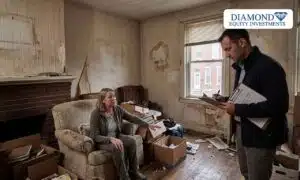
A tenant moves out, and the walls need to be repainted. While the painter is there, someone points out the skirting boards. The new paint makes the old flooring look tired, and replacing the flooring suddenly makes the kitchen seem older than it did the week before. Suddenly, one small job has turned into five.
Weekends Quietly Disappear
Nobody buys a rental property to spend Saturday mornings waiting for tradespeople. One weekend is spent meeting an electrician, the next is spent waiting for a plumber, and another is lost because someone needs access to inspect a leaking roof.
Put a year together, and the property starts borrowing time from everything else. That’s when some landlords stop thinking about renovation costs and start considering how much of their time they’re willing to keep giving.
Every Quote Seems to Create Another Question
Getting one quote should make the decision easier, but it often has the opposite effect. The first contractor recommends replacing part of the bathroom. The second suggests doing the whole thing. A third notices an issue with the plumbing. Projects that looked simple on paper often stretch into months.
The House Keeps Getting Older
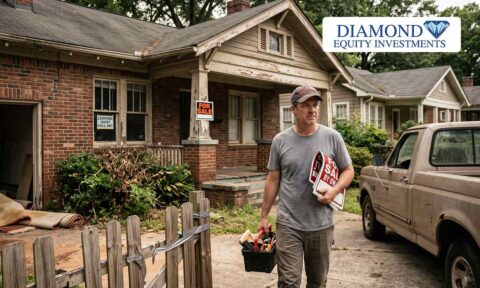
People sometimes picture an empty rental property sitting quietly until the next decision is made, but that doesn’t happen. The grass keeps growing, leaves collect in the gutters, and a tiny leak under the sink doesn’t stop because the house is vacant.
The Spreadsheet Doesn’t Show Everything
Rental properties are easy to measure on paper. You see:
- Rental income
- Maintenance costs
- Insurance
- Property taxes
But a spreadsheet doesn’t capture the evenings spent chasing contractors or the weekends spent checking on a vacant house. Sometimes the highest costs aren’t financial. They’re the time and mental energy the property quietly takes every year.
The Decision Is Usually Made Long Before the Sign Goes Up
By the time a property is listed for sale, most landlords have already spent weeks going back and forth. Should the kitchen be updated? Would replacing the flooring really make a difference?
Eventually, the question changes from “What else should be fixed?” to “Do I still want to keep doing this?” For some owners, that leads to a traditional listing. Others investigate companies that buy houses for cash instead.
Sometimes Walking Away Isn’t Giving Up
Selling a rental property in Atlanta can look like the end of an investment, but for many landlords, it feels more like closing a chapter. The house served its purpose.
For owners who no longer want another renovation, options like cash home buyers in Atlanta or working with investment companies that buy houses may make more sense. Many landlords aren’t selling the property because of one repair. They’re choosing their time over another renovation.
FAQs
- Why are more landlords selling instead of renovating?
Many decide that the time, ongoing maintenance, and repeated repairs are no longer worth another renovation. - Do rental properties always need renovating before they’re sold?
No, many are sold as they are. - Can companies buy rental properties needing repairs?
Yes, many companies that buy houses for cash purchase homes needing updates. - Is selling always better than renovating?
No, it depends on the owner’s situation.