
Is a 7-Day Home Sale Really Possible in Atlanta? Here’s How

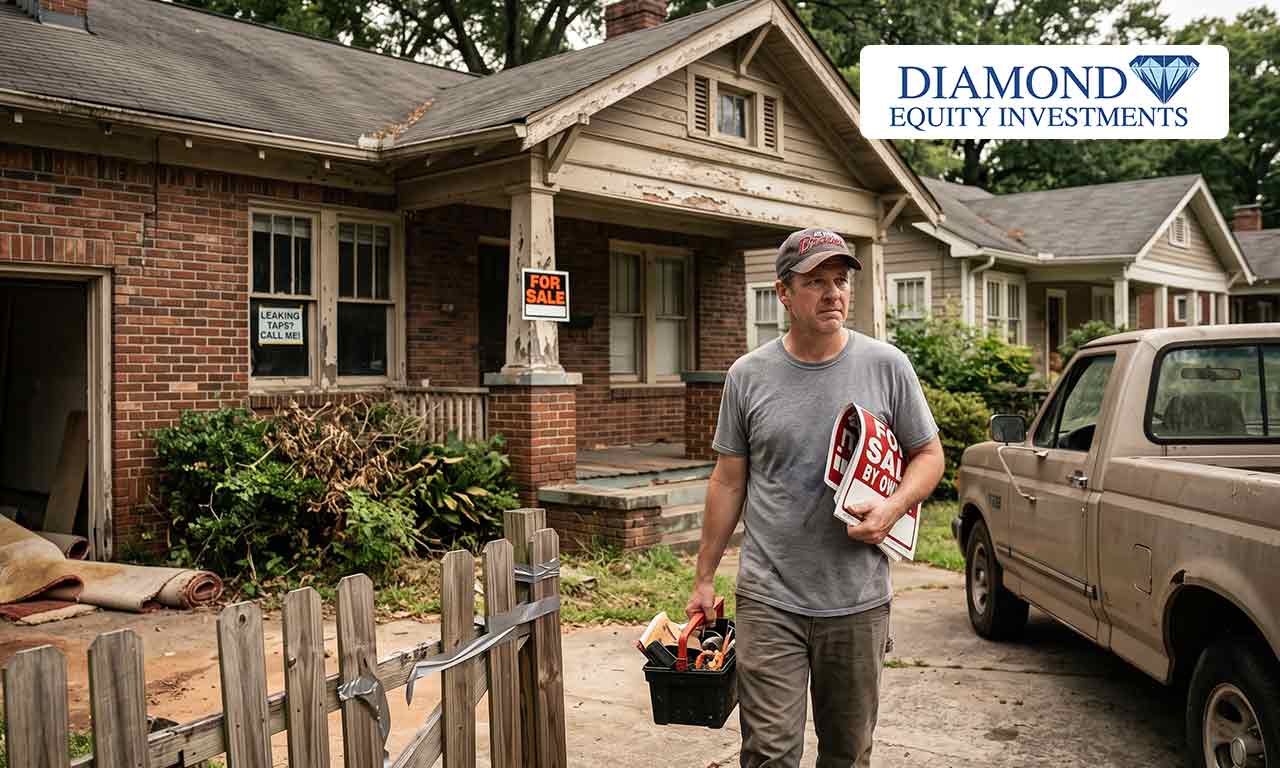
Property owner looking for a quick home sale instead of traditional listing

If you’re searching for answers about selling your home quickly, you’re probably asking a very specific question: Is it actually possible to sell a house in Atlanta in just seven days?

For many homeowners, this isn’t curiosity; it’s urgency. Job relocations, foreclosure notices, inherited properties, or financial pressure can make waiting months unrealistic. The idea of a 7-day sale sounds almost too good to be true, especially if you’ve heard how slow traditional home sales can be.

The short answer is yes, a 7-day home sale is possible in Atlanta. But it doesn’t happen through every selling method. It requires the right approach, the right buyer, and realistic expectations. This guide explains how fast sales really work in Atlanta, when they’re achievable, and what options make them possible.

Why Homeowners in Atlanta Need to Sell Quickly

Atlanta is a large, active housing market, but not every seller has the luxury of time. Many homeowners say they need to sell their house fast in Atlanta because of circumstances that won’t wait for the market.

Common reasons include job transfers, divorce, inherited homes, mounting repairs, or foreclosure timelines. In these situations, every extra week adds stress and cost. Mortgage payments, taxes, utilities, and insurance don’t stop just because a house is listed.

For sellers facing real deadlines, speed becomes the priority.

Why Traditional Home Sales Rarely Happen in 7 Days

Most people first think about listing with a real estate agent. While that route works well for many sellers, it’s not designed for fast timelines.

A traditional sale usually involves preparing the home, scheduling showings, negotiating offers, waiting for buyer financing, completing inspections, and then closing. Even in a strong market, this process typically takes 30 to 90 days, and that’s when everything goes smoothly.

If you’re researching how to sell my house in Atlanta quickly, it’s important to understand that traditional listings aren’t designed for a seven-day outcome.

How Do 7-Day Home Sales Happen?

Seven-day sales happen when most of the usual delays are removed from the process. That typically means avoiding financing, inspections, repairs, and long negotiations.

A cash buyer can be the best solution. Many homeowners who successfully close in a week work with cash home buyers in Atlanta that specialize in fast, as-is purchases. These buyers don’t rely on banks, don’t require repairs, and can move quickly once terms are agreed upon.

The Role of Cash Buyers in Fast Atlanta Home Sales

Cash buyers evaluate homes differently from traditional buyers. Instead of imagining what it would be like to live in the house, they look at the numbers, condition, and timeline. Because they don’t need loan approvals, they can often:

  • ✔ Make offers within 24 to 48 hours
  • ✔ Skip appraisals and financing delays
  • ✔ Close on flexible timelines, including within a week

Homeowners often turn to cash buyers rather than listing publicly.

Understanding the Types of Fast-Sale Buyers in Atlanta

Not all fast buyers operate the same way. Some buyers focus on distressed properties, others on rentals, and some on quick resale. The most reliable buyers are typically local or regional and have experience closing deals on tight timelines.

Homeowners looking for certainty often work with quick house sale companies in Atlanta that have clear processes, proof of funds, and flexible closing options.

What Makes a Home Eligible for a 7-Day Sale?

Not every property will sell in seven days, but many can, especially when the seller is flexible. Homes that sell fastest usually have:

  • ✔ Clear ownership
  • ✔ No major title complications

  • ✔ Sellers willing to price realistically
  • ✔ Buyers who purchase as-is

The good news is that the condition is often less important than people expect. Many cash home buyers purchase homes with repairs, code issues, or outdated interiors.

How the 7-Day Sale Timeline Typically Works

Here’s what a realistic fast-sale timeline looks like when everything is aligned:

Day What Happens
Day 1 Seller contacts buyer
Day 2 Property review and evaluation
Day 3 Cash offer presented
Day 4 Terms agreed and paperwork started
Day 5 to 6 Title work and closing prep
Day 7 Closing completed

This timeline depends on clear communication and a buyer who’s ready to move.

Common Myths About Selling a House in 7 Days

One of the biggest misconceptions is that fast sales always mean being taken advantage of. In reality, speed is a trade-off, not a trick.

Another myth is that only perfect homes sell quickly. In truth, many seven-day sales involve properties that would struggle on the open market. Understanding these realities helps sellers make confident decisions rather than reacting out of fear.

When a 7-Day Sale Makes the Most Sense

A fast sale is often the right choice when:

  • ✔ Foreclosure timelines are approaching
  • ✔ Carrying costs are becoming unmanageable
  • ✔ Repairs exceed budget or time constraints
  • ✔ The property is inherited or vacant

In these cases, certainty and speed often outweigh the potential upside of waiting.

Questions to Ask Before Accepting a Fast Offer

Before moving forward, sellers should ask:

  • ✔ Can you provide proof of funds?
  • ✔ Are there any fees or commissions?
  • ✔ Will the offer change later?
  • ✔ Who covers closing costs?
  • ✔ How flexible is the closing date?

Reputable house buying companies in Atlanta, such as Diamond Equity Investments, are transparent about these details.

Final Thoughts: Speed Is Possible with the Right Approach

Selling a house in seven days isn’t realistic for every seller, but it is achievable for many. The key is understanding which paths support that goal and which don’t.

If your situation requires immediate action and you’re exploring how to sell my house in Atlanta without long delays, focusing on cash buyers and experienced fast-sale companies gives you the best chance of closing quickly and moving forward with confidence.

When time matters, clarity beats guesswork, and the right buyer can make all the difference.

How to Price Your Chicago Home Right (Even If It’s Not Market-Ready)

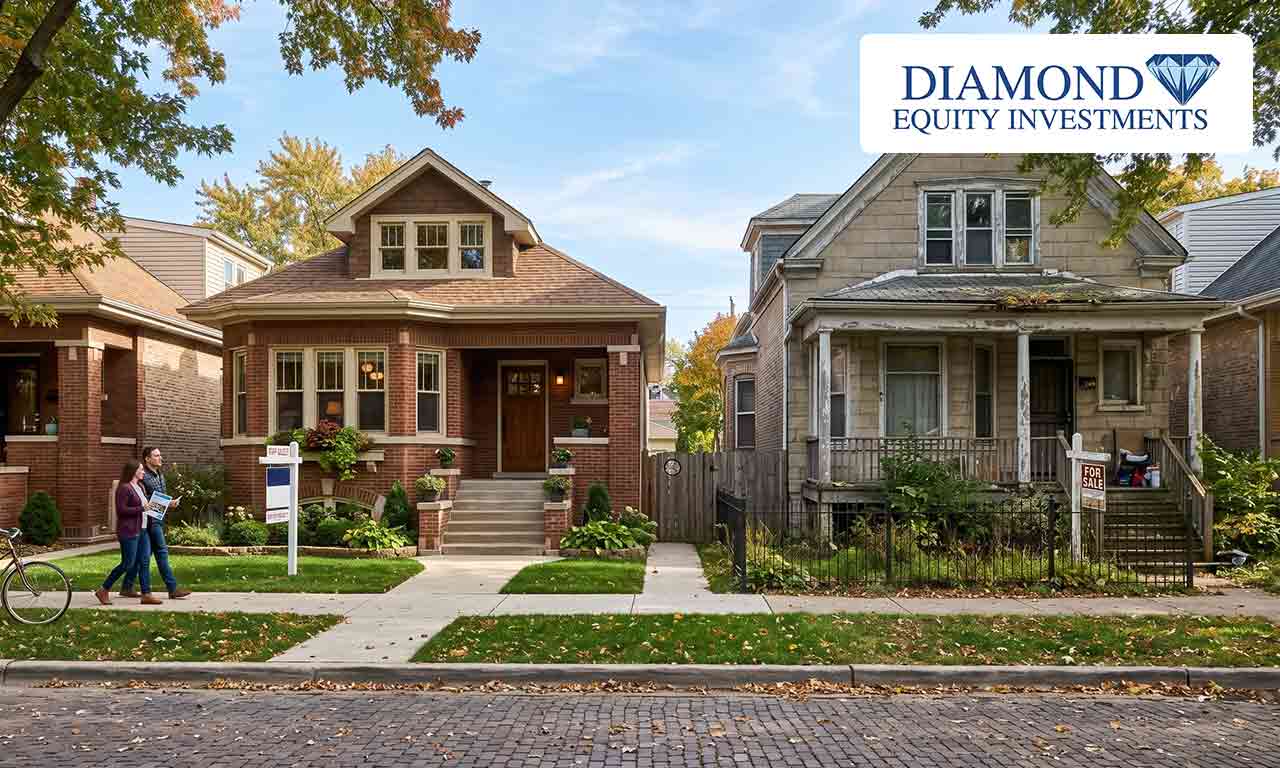
Chicago home that needs repairs being prepared for sale

Pricing a home is never simple, but pricing one that needs work can feel especially challenging. If you’re trying to figure out how to sell my house in Chicago and the property isn’t move-in ready, you’re likely weighing speed, cost, and realism all at once. Overprice it, and it may sit. Underprice it, and you might leave money on the table.

The good news is that market-ready condition isn’t the only way homes sell in Chicago. With the right pricing strategy, properties that need repairs can attract serious buyers and close smoothly. This guide explains how to price your Chicago home realistically, which factors matter most, and what options exist without investing in upgrades.

Why Market-Ready Isn’t the Only Path to Selling

Many homeowners assume their house must be fully updated to sell. However, a large portion of Chicago’s housing stock is older, and buyers expect that. Properties with dated kitchens, aging roofs, or deferred maintenance still sell regularly, just not at the same price point as renovated homes.

Pricing correctly means matching expectations to conditions. Buyers don’t mind flaws if the price reflects them. Problems arise when a home is priced like it’s updated, but clearly isn’t.

The Biggest Pricing Mistake Chicago Sellers Make

The most common mistake is pricing based on emotional value or renovated comparables. A remodelled home down the street is not a fair benchmark if your property needs significant work. When homes are priced too high:

  • Showings slow down
  • Buyers assume there’s something wrong
  • Price reductions follow
  • Final sale prices often end up lower

Pricing the house incorrectly is especially risky if you need to sell a house fast in Chicago, where waiting has a cost.

Key Factors That Should Influence Your Price

When pricing a home that isn’t market-ready, several practical factors matter more than aesthetics.

Condition and Repair Scope

Buyers look closely at structural issues, roofing, mechanical systems, and water damage. Cosmetic issues are easier to price around than major repairs.

Location Within Chicago

Neighborhood demand varies widely across the city. A fixer-upper in a high-demand area may still attract strong interest, while the same condition elsewhere may require deeper discounts.

Time Pressure

If your timeline is flexible, you can test the market. If not, pricing for speed becomes the priority.

Buyer Type

Retail buyers expect move-in-ready homes. Cash buyers and quick house sale companies in Chicago price differently because they factor in renovation costs and resale risk.

Pricing Strategies for Homes That Need Work

There isn’t one correct price. There’s a range, depending on your goals.

Strategy 1: Price Slightly Below Market to Attract Retail Buyers

This method works if repairs are mostly cosmetic and you can wait a bit. The lower price creates urgency and competition.

Strategy 2: Price at Investor Value for Speed and Certainty

If repairs are extensive or time is limited, pricing for cash buyers makes sense. Many cash home buyers in Chicago will move quickly if the numbers make sense.

Strategy 3: Direct-to-Cash Sale Pricing

Some homeowners skip listing entirely and sell directly to cash home buyers. Pricing here reflects the as-is condition and excludes repairs, commissions, and long wait times.

How Cash Buyers Look at Pricing

Cash buyers and investment companies that buy houses evaluate homes differently from traditional buyers.

They typically consider:

  • Estimated repair costs
  • After-repair market value
  • Holding costs (taxes, utilities, insurance)
  • Risk and resale timeline

These factors are why offers may seem lower, but also why deals close faster and with fewer surprises. For sellers asking, “Who buys houses in any condition?”, these buyers are often the answer.

Comparing Pricing Outcomes: Traditional vs. Cash Sale

Factor Traditional Listing Cash Sale
Repairs needed Often required Not required
Time to close 30 to 90 days 7 to 14 days
Pricing flexibility Limited by buyers Based on condition
Deal risk Financing can fail Low
Best for Time-flexible sellers Urgent sellers


If you need to sell fast, certainty often outweighs theoretical top-dollar pricing.

When Speed Matters More Than Price

There are situations where waiting costs more than accepting a lower offer. Consider:

  • Foreclosure or auction timelines
  • Job relocation
  • Inherited or vacant property
  • Ongoing repair or utility costs

In these cases, many homeowners choose to sell a home fast for cash rather than risk months of uncertainty.

A Practical Option for Chicago Homeowners

For homeowners exploring alternatives to traditional listings, companies like Diamond Equity Investments work directly with sellers who want clarity and speed. They purchase properties as-is and provide cash offers without requiring repairs or showings.

This approach can be helpful when pricing uncertainty, property condition, or time pressure makes the open market less appealing.

Price With Clarity, Not Hope

Pricing a home, especially one that isn’t market-ready, is about aligning expectations with reality. The right price attracts the right buyer. The wrong price leads to delays, frustration, and eventual reductions.

Whether you plan to list traditionally or explore cash home sale options, understanding how buyers evaluate price puts you back in control.

What Is An Off-Market Home Sale?

Off-Market Home Sale

If you’ve ever looked into selling your home, you’ve probably heard about the “traditional” way: hiring an agent, putting your home on the MLS, hosting showings, negotiating offers, and waiting for a buyer to get financing approval.

But there’s another option that many homeowners don’t even realise exists: the off-market home sale.

An off-market sale is when you sell your home without listing it publicly. No MLS, no open houses, and no bidding wars—just a direct sale between you and a buyer.

For many homeowners, especially those facing time pressure or complex situations, this approach can be far more practical than the traditional route.

How Off-Market Home Sales Work

In an off-market home sale, you sell your property directly to a buyer without advertising it on public platforms. These buyers are usually:

  • Real estate investors
  • Property-buying firms
  • Cash home buyers

Instead of waiting for buyers to find your listing, you connect directly with investment companies that buy houses or individual investors who are actively looking for properties.

The process is usually simple:

  1. You share basic details about your property.
  2. The buyer evaluates it.
  3. You receive an offer.
  4. If you agree, proceed directly to closing.

There are no public listings, no showings, and often no repairs.

Why Homeowners Choose Off-Market Sales

The biggest reason people choose off-market sales is control. You’re not putting your home on display, and you’re not tied to the current pace of the local market.

Many sellers choose this route because they want to:

  • Avoid months of waiting
  • Skip repairs and renovations
  • Keep the sale private
  • Reduce stress and uncertainty

For people who need to sell a home fast for cash, an off-market sale can feel like a relief. They don’t have to manage listings, inspections, and negotiations.

Who Buys Homes Off-Market?

Off-market buyers are usually professionals, including:

  • Companies that Buy Houses for cash
  • Local or national real estate investors
  • Property acquisition firms

These buyers don’t purchase homes to live in; they buy to renovate, rent, or resell. Because of this, they’re often willing to purchase properties that need work, have legal complications, or wouldn’t perform well on the open market.

Off-Market Vs Traditional Sale: What’s The Difference?

Here’s how the two approaches compare in real life:

Traditional Sale

  • Public listing
  • Agent commissions
  • Showings and open houses
  • Buyer financing required
  • Repairs often expected
  • Timeline can stretch for months

Off-Market Sale

  • Private sale
  • No public exposure
  • Direct buyer communication
  • Often cash-based
  • Usually sold as-is
  • Can close in days or weeks

Off-market sales prioritize speed and simplicity, while traditional sales prioritize price maximization.

When Does An Off-Market Sale Make Sense?

Off-market sales are especially useful in situations like:

  • Inherited properties
  • Homes needing major repairs
  • Relocations or job changes
  • Divorce or separation
  • Financial pressure
  • Landlords exiting rental properties

Are Off-Market Sales Safe?

Yes, as long as you work with legitimate buyers. For example, if you’re living in Phoenix, the key is to choose reputable cash home buyers in Phoenix or well-known national buyers with a proven track record. Professional off-market buyers use standard legal processes, contracts, and title companies.

The difference is not in safety; it’s structure. The transaction is simply more direct.

Do You Get Less Money Selling Off-Market?

Sometimes, but not always.

While off-market offers may be lower than what you could get by listing the traditional way, sellers often save money on:

  • Agent commissions
  • Repairs and upgrades
  • Staging and photography
  • Holding costs (mortgage, taxes, utilities)

For many homeowners, the convenience and certainty of a cash home sale is worth the trade-off.

Is An Off-Market Sale Right For You?

An off-market home sale isn’t for everyone. If your home is in perfect condition and you’re not in a rush, listing publicly might make sense.

But if your priorities are speed, privacy, and simplicity, an off-market sale can be one of the easiest ways to move on from a property without the usual complications.

A Practical Option For Modern Sellers

Off-market home sales are no longer rare or unusual. They’ve become a common option for homeowners who want a more straightforward way to sell.

Instead of managing listings, negotiations, and uncertainty, you’re dealing with one buyer and one offer.

For sellers who value clarity over complexity, it’s often the most stress-free path forward.

If you’re exploring an off-market sale, Diamond Equity works with homeowners who want a direct, off-market solution. As a professional real estate investment firm, we buy houses in Phoenix and help sellers move forward quickly without listing publicly. It’s an easier way to sell, and you can close on your terms.

Frequently Asked Questions (FAQs)

1. How is an off-market home sale different from a normal sale?

In an off-market sale, you don’t list the property publicly. No MLS, no open houses, and no public advertising. You deal directly with a buyer instead of waiting for offers to come in.

2. Can I really sell my house without an agent?

Yes. In an off-market sale, you’re not required to use a real estate agent. Many homeowners prefer this method because it avoids commissions.

3. Do I need to fix or renovate my home before selling off-market?

In most cases, no. Off-market buyers typically purchase properties as-is, even those that require repairs, updates, or cosmetic improvements.

4. How fast can an off-market sale close?

It depends on the buyer, but many off-market transactions can close within days or a few weeks, especially when the buyer is paying in cash.

5. Is an off-market sale legally safe?

Yes, as long as you’re working with a legitimate buyer and a proper title company or real estate attorney. The legal process is similar to a traditional sale, just more direct.

Stop Stressing About Repairs: There’s A Simpler Way To Sell Your Atlanta House

Sell Your House Fast For Cash In Atlanta

Let’s be honest for a second.

If you own a house in Atlanta that needs work, the thought of selling it the traditional way can feel overwhelming. Cracked walls, outdated plumbing, a leaky roof, old flooring—suddenly your home feels less like an asset and more like a never-ending to-do list.

You start thinking things like, “Do I really have to fix all of this before I sell my House fast in Atlanta?” or “How am I supposed to afford repairs when I just need to move on?”

Sound like you? First, take a breath. You’re not stuck, and you’re definitely not alone.

There’s a simpler way to sell, one that doesn’t involve contractors, renovation loans, or months of stress.

Let’s walk through it.

Why Repairs Make Selling The Traditional Way So Hard

When you list a house the conventional way, buyers expect things to be in decent shape. Even if your home is priced right, you’ll likely face:

  • Inspection repair requests
  • Price negotiations after the inspection
  • Delays while you scramble to fix issues
  • Buyers backing out if repairs are “too much”

Before you know it, what was supposed to be a smooth sale turns into weeks (or months) of frustration.

The Alternative: Sell To Cash Home Buyers In Atlanta

This is when working with house-buying companies in Atlanta changes everything.

Instead of worrying about repairs, staging, or showings, you can sell your house as-is. That means:

  • No fixing the roof
  • No repainting walls
  • No updating the kitchen
  • No deep cleaning or staging

If you’ve been Googling, “How do I sell my house fast in Atlanta?” and you’re feeling stuck, this option might be exactly what you need.

Quick Reality Check: Traditional Vs. Cash Sales

Here’s a side-by-side snapshot that’ll be useful if you’re trying to compare selling the old-school way to selling to cash home buyers in Atlanta:

Feature / Step Traditional Sale Cash Sale (Cash Home Buyers Atlanta)
Repairs Needed Often required (inspection can trigger) No repairs, sold as-is
Time to Close 60 to 120+ days 7-21 days
Showings Required Yes No
Financing Risk High (buyers bail if loan falls through) None
Agent Commissions 5 to 6% typical None
Predictability Variable Highly predictable
Stress Level High Low


Again, if you’re thinking, “I need to sell my house fast in Atlanta,” being able to sell in weeks instead of months can be a game-changer.

Did You Know? (Facts & Stats That Matter)

Let’s ground this in real-world numbers so you can decide with confidence:

1. Atlanta’s Typical Time On Market

According to recent data, the average time a home spends on the market in metro Atlanta is 30 to 45 days before going under contract. But that’s just a contract; the range doesn’t include inspection fixes, renegotiations, and delays. That means an actual closing often takes 60 to 90+ days. That’s 2–3 months of mortgage payments, utilities, stress, and uncertainty.

2. Cash Sales Are Faster & More Certain

Nationwide, nearly 32.8% of homes have sold for cash, indicating that many buyers want speed and certainty. In competitive or slower markets, cash offers can be far more popular than finance-dependent offers.

Cash buyers are often companies or investors, not traditional buyers with banks and inspectors.

3. Repairs Often Kill Deals

Industry data shows that 30%–40% of traditional buyers renegotiate price after the inspection. They’ll want repairs, or they might just walk away. That’s months of work and uncertainty you may not need.

How Selling For Cash Works

Selling to cash home buyers in Atlanta is refreshingly simple:

  1. You share basic details about your property
  2. They evaluate it quickly
  3. You receive a fair cash offer
  4. You figure out an agreeable closing date
  5. You get paid fast

If your priority is to sell fast, consider this route, as it’s usually the quickest and least stressful. Again, cash buyers can often close in as little as 7 to 14 days, sometimes even faster.

What This Means For You

If your house needs work and you don’t want to pay thousands out of pocket for repairs, cash buyers can help. You get:

  • A clear offer
  • A fast timeline
  • A simple process
  • No repair costs

Yes, cash offers are often slightly below fair market value. But when you factor in:

  • Realtor fees
  • Repair costs
  • Holding costs
  • Inspection renegotiations
  • Market uncertainty

A cash sale can still make sense financially and significantly reduce stress.

Your Fresh Start Begins Here

If repairs have been holding you back from selling, remember this: you don’t have to fix everything to move forward.

Sometimes the smartest move isn’t renovating, it’s simplifying.

If you’re ready to sell without the stress, Diamond Equity Investments works with Atlanta homeowners who want a fast, transparent, and hassle-free sale. We focus on making fair cash offers, ensuring flexible timelines, and treating sellers with respect. Why not close this chapter and start your next one with confidence?

Has Your Philadelphia House Been Sitting On The Market Too Long? Try This Instead

Philadelphia House Been Sitting

You listed your Philadelphia home with high hopes. Beautiful photos, polished descriptions, a shiny “For Sale” sign on the lawn—and then, crickets.

Weeks pass, then months. You keep getting lowball offers, no-shows, or worse, buyers who love your house but can’t get financing. Every day it sits there, your frustration grows, your bills pile up, and your patience wears thin.

If this sounds familiar, you’re not alone. A lot of Philly homeowners start asking the same question: How can I sell my house in Philadelphia without losing my mind?”

Let’s talk about why homes sit, what you’re up against, and the smarter alternative that more sellers are choosing today.

Why Houses Sit On The Market In Philadelphia

Philadelphia’s real estate market is competitive, and some sellers have an easier time than others. Here are the most common reasons homes get “stuck” on the market:

1. Overpricing From Day One

Many sellers list high, hoping to “test the market.” The problem? Buyers scroll right past overpriced homes. By the time you drop the price, your listing already looks stale.

2. Condition Issues Scare Buyers

Old roofs, outdated kitchens, foundation cracks, and visible problems make traditional buyers nervous. They either walk away or demand expensive fixes.

3. Financing Delays & Deal Collapse

Even if you get an offer, there’s no guarantee the deal will close. Loan approvals can be difficult to obtain, appraisals come in low, and buyers back out. Then, all of a sudden, you’re back to square one.

4. Endless Showings With No Results

You clean, make your house available, and rearrange your life—only to hear, “We’ll think about it.” That emotional rollercoaster gets exhausting fast.

If you’re thinking, “I need to sell my house fast in Philadelphia,” waiting around isn’t doing you any favors.

The Smarter Alternative: Selling To Cash Buyers

Instead of chasing the “perfect buyer,” many homeowners are turning to cash home buyers in Philadelphia, and for good reason.

Here’s what that looks like:

  • You share basic details about your home
  • You get a cash offer quickly
  • You agree on a closing date
  • You sell without repairs, agents, or endless showings

These are typically house-buying companies in Philadelphia that specialize in quick closings and as-is sales. They’re not worried about cosmetic issues, outdated interiors, or even major repairs.

Why This Works When The Market Doesn’t

If your house has been sitting, here’s why cash buyers make sense:

  1. No Repairs Needed: You don’t have to replace that old roof, repaint walls, or stage every room. Cash buyers handle everything after closing.
  2. No Financing Drama: No banks, no appraisals, no last-minute deal cancellations. Just a straightforward sale.
  3. Fast Timeline: Many quick house sale companies in Philadelphia can close in as little as 7 to 14 days.
  4. Certainty Over Waiting: Instead of hoping a buyer shows up, you get a clear, guaranteed offer.

For sellers who search, “sell my house fast in Philadelphia,” this is often the most stress-free path forward.

“But Will I Get A Fair Price?”

Great question.

A cash offer might be lower than what you’d get selling the traditional way. But when you factor in:

  • Realtor commissions
  • Closing costs
  • Repair expenses
  • Months of holding costs (mortgage, taxes, utilities)
  • The risk of the deal falling through

Many sellers find that working with companies that buy homes for cash ultimately makes more financial sense. Plus, you gain something priceless: peace of mind.

Who Benefits Most From Cash Sales?

This option is especially helpful if you:

  • Tried listing and got nowhere
  • Need to relocate quickly
  • Are behind on mortgage payments
  • Inherited a property you don’t want
  • Have a house that needs major repairs
  • Just want to move on without stress

If any of these points appeal to you, selling to a “We Buy Houses In Philadelphia” company could be exactly what you need.

Ready To Stop Waiting And Start Moving Forward?

If your Philadelphia house has been sitting on the market for too long, waiting isn’t your only option. Plus, waiting is often not the smartest option. Sometimes the best move is to stop chasing the “perfect” traditional buyer and instead take control with a straightforward cash sale.

If speed, certainty, and simplicity matter to you, selling for cash could be the fresh start you’ve been hoping for.

If you’re considering this route, Diamond Equity works directly with homeowners who want a simple, transparent, and hassle-free way to sell. We focus on making fair cash offers, ensuring fast closings, and delivering a respectful process so you can move forward with confidence rather than be stuck in a dead-end listing.

Frequently Asked Questions

1. Do I need to fix anything before selling my house for cash?

No. Cash buyers purchase homes as-is. You don’t have to repair, clean, or stage anything.

2. How fast can I sell my house for cash in Philadelphia?

Most cash sales close within 1 to 2 weeks, sometimes even faster.

3. Are there any hidden fees when I sell for cash?

Reputable cash buyers don’t charge realtor commissions or closing fees. What you’re offered is typically what you receive.

4. What if my house is in really bad condition?

That’s fine. Many cash home buyers in Pittsburgh specialize in purchasing homes in any condition.

5. Can I choose my closing date when I sell my home for cash?

Possibly. Typically, you’ll work with the buyer to find a date that works for you and them.

Can You Sell A Phoenix Home That’s In Probate Or Inherited?

Sell A Phoenix Home That’s In Probate Or Inherited

If you’ve recently inherited a house in Phoenix or you’re dealing with a property stuck in probate, you’re probably feeling a mix of emotions, such as stress and confusion. Maybe you’re even getting pressure from family members.

On top of that, you’re suddenly expected to make big decisions about a home you may not even want to keep. At some point, you might find yourself thinking, I just need to sell my house fast in Phoenix. Is that even possible?”

The short answer is yes—you can sell a home that’s in probate or one you’ve inherited. However, the process and level of complexity will depend on several legal and practical factors.

In this guide, we break down everything you need to know in simple terms, without legal jargon or sales talk.

What Does “Probate” Actually Mean?

Probate is the legal process that takes place after someone passes away. It’s the way the court:

  • Validates the will (if there is one)
  • Appoints an executor or personal representative
  • Pays off debts and taxes
  • Transfers the property to heirs

During probate, the house technically belongs to the estate, not to any one person yet. That’s why selling it feels complicated—because it kind of is.

But complicated doesn’t mean impossible.

Can You Sell A House While It’s In Probate?

Yes, in most cases, you can sell a house during probate in Arizona. However, there are two primary scenarios to consider:

1. You Are The Executor Or Personal Representative

If the court has officially appointed you, you usually have the authority to sell the property, sometimes with court approval and sometimes without it, depending on the will and the circumstances of the case.

2. You Are An Heir (But Not The Executor)

In this case, you can’t sell it alone. All heirs typically need to agree, and the executor handles the process.

This is where things often get stuck. Disagreements between siblings, unclear paperwork, nobody wanting to deal with the house—these issues can grind the process to a halt.

The Problems With Inherited Homes

Here’s what most people don’t expect when they inherit a house:

  • The property needs repairs
  • There are unpaid taxes or liens
  • The house is full of personal belongings
  • Utilities, insurance, and maintenance still cost money
  • No one wants to live in it
  • Everyone wants their share now

Emotionally, it’s draining. That’s why so many people in this situation end up Googling, “How can I sell my house in Phoenix?”

Traditional Sale Vs Cash Sale (In Probate Situations)

You technically can list a probate or inherited home with a real estate agent. But here’s what that usually involves:

  • Cleaning out the entire house
  • Making repairs
  • Paying for staging and photos
  • Waiting months for a buyer
  • Dealing with inspections and negotiations
  • Splitting costs with other heirs

Now compare that with selling to Cash Home Buyers Phoenix:

  • No repairs
  • No cleaning
  • No agents
  • No showings
  • Faster closing

For many families, especially when emotions are involved, the second option is simply easier. It’s not the best one for everyone, but it’s easier.

When People Usually Want To Sell Fast

Most inherited home sellers reach a point where they say, “I just need this done.” After all, you must consider:

  • Ongoing mortgage and tax payments
  • Empty house attracting damage or vandalism
  • Family disagreements
  • Living in a different state
  • The house needs too much work
  • Emotional attachment making it harder every month

Can You Sell An Inherited House In Any Condition?

Yes. You are not required to fix anything. Many people assume they must renovate before selling. That’s not true.

There are companies that specifically advertise, “We buy houses in any condition in Phoenix!”

Which means:

  • Old roof? Fine.
  • Outdated kitchen? Fine.
  • Hoarder house? Still fine.
  • Fire damage? No problem.

This method is especially useful for probate homes. After all, the property may not have been maintained for years.

The Legal Part (Without The Headache)

In Arizona, selling a probate home usually requires:

  • Death certificate
  • Will (if available)
  • Court appointment of an executor
  • Possibly court approval for the sale

That all sounds heavy, but most reputable cash buyers know this process inside and out, and they can guide sellers through it step by step.

You don’t need to become a legal expert. You just need the right paperwork and a bit of patience.

Is Selling For Cash A “Bad Deal”?

This is the honest truth: you may not get top dollar. But what you do get is:

  • Speed
  • Certainty
  • No upfront costs
  • No emotional labour
  • No ongoing bills
  • No family arguments about repairs

For probate and inherited homes, many people decide that peace of mind is worth more than squeezing out every last dollar.

So, What’s The Best Option?

There’s no single right answer. But if the house is:

  • Empty
  • In poor condition
  • Causing financial stress
  • Or emotionally overwhelming

Then working with cash home buyers in Phoenix can be a very practical solution, especially when your goal isn’t profit but closure.

Moving Forward After Inheriting A Home

Selling a house you’ve received through probate or inheritance is rarely just a real estate decision. It often involves emotions, family discussions, legal steps, and the pressure of managing a property you may not have expected to acquire.

For many homeowners in Phoenix, the goal isn’t to squeeze every last dollar out of the sale—it’s to keep things simple and move on without added stress. That’s why working with experienced buyers who understand probate and inherited properties can make such a big difference.

Companies like Diamond Equity specialize in helping homeowners sell inherited and probate properties without repairs, lengthy waiting periods, or complicated listing processes. They focus on making the sale straightforward, especially for people who need clarity and closure more than another renovation project.

In the end, sometimes, the best deal isn’t the perfect one—it’s the one that lets you finally breathe again.

How To Sell A Duplex Or Multi-Family Property In Chicago For Cash

Sell A Duplex Or Multi-Family Property In Chicago

When you purchased your duplex or a small multi-family building in Chicago, you probably didn’t think, “One day I’ll need to figure out how to sell this fast.”

But life is full of uncertainty, and sometimes difficult decisions must be made quickly.

Maybe your tenants have become difficult to manage, or maybe the building needs more repairs than you can handle. In any case, you’re not alone, and you shouldn’t feel like you’ve done something wrong just because you want to sell.

But here’s the important thing to know: selling a multi-unit property isn’t like selling a single-family home. Tenants, leases, maintenance issues, city rules, timing—all these factors must be considered.

And when people say they want to “sell a home fast for Cash,” what they usually mean is they want something simpler, faster, and more predictable than a traditional sale.

Let’s take a closer look at how duplexes and multifamily homes are sold for cash.

First, A Quick Reality Check

Before we even talk about selling, we encourage you to ask yourself these questions:

  • Am I trying to sell my house fast in Chicago because I’m overwhelmed?
  • Am I trying to sell because my home no longer fits my life?
  • Am I trying to sell because I feel pressured by something external?

Answering these questions honestly now will help you make an informed decision later.

You don’t need to solve everything today. You just need to understand what’s possible.

Step 1: Understand What “Selling For Cash” Really Means

When people talk about selling for cash, they’re usually talking about selling to an investor or a buyer who doesn’t need a bank loan.

That matters because banks slow everything down.

A buyer who’s relying on financing has to deal with appraisals, underwriting, inspections, lender conditions, and sometimes delays that are completely outside your control. A cash buyer doesn’t have those barriers.

That’s why cash sales often feel calmer. There are fewer moving parts, fewer surprises, and fewer delays. It doesn’t mean you’re giving your property away; it just means the process is simpler.

Step 2: Get A Clear Picture Of Your Property

You don’t need a spreadsheet or a full report. But it helps if you can answer the following questions:

  • Are the units occupied or vacant?
  • Are tenants current on rent?
  • Are there obvious repairs you’ve been putting off?
  • Is anything structurally wrong or just cosmetically outdated?

You don’t need perfection to sell for cash. But clarity helps. If you know a lot of basic information about your property, you can talk to buyers honestly, and honesty usually ensures a smoother process.

Step 3: Decide How Involved You Want To Be

Different sellers want different levels of involvement.

Some say, “I want someone to handle everything because I just don’t have the time.” Others say, “I want to be part of every decision from pricing to closing.”

There’s no right or wrong answer here. Just be honest with yourself about how much time and energy you want to spend on the sale.

Step 4: Compare Options: Don’t Rush Into The First Offer

This part matters a lot.

When someone is ready to sell, especially under pressure, the first offer can feel like a lifeline. But it’s still worth taking a breath and looking at it clearly. Ask:

  • Does this timeline actually work for me?
  • Does this price reflect the condition of the property?
  • Do I feel comfortable with the people I’m dealing with?

Trust your instincts here; they matter more than you might think.

When you’re ready to sell, it’s tempting to take the first offer that comes along, especially if you’re stressed or pressed for time. But that’s rarely the best move.

Here are the three broad paths you’ll see:

  1. Traditional market listing (agent + MLS)
  2. Selling without an agent
  3. Selling to cash home buyers in Chicago or investors

Each option has pros and cons. Take a few days (if you can) to feel them out.

Step 5: Get A Real Cash Offer

Cash buyers will usually ask for:

  • A property walkthrough
  • A look at rental agreements (if tenants are still living there)
  • A rundown of which repairs are necessary

Here’s what makes a true cash offer different:

  • No bank underwriting delays
  • Fewer conditions
  • Convenient closing timeline

Many sellers value this simplicity, especially those who have to sell quickly.

Step 6: Close On Your Timeline

This is where selling for cash truly shines.

You won’t have to wait for loan approval or appraisal results; you and the buyer can work out a convenient closing timeline. Some buyers can close in 7–14 days. And in most cases, the buyer will handle the paperwork and logistics of closing.

For many Chicago homeowners, avoiding the stress that comes with a drawn-out process is essential.

A Few Real Owner Tips (Not Just “Steps”)

Here’s what many duplex and multi-family home sellers have told us:

  • Be realistic about repairs; investors aren’t looking for perfect homes.
  • Don’t paint over problems; they’ll be revealed sooner or later.
  • Make sure tenants are informed (but not pressured).
  • Ask questions if you don’t understand something.

Where Diamond Equity Investments Fits In

If you decide that selling for cash is the right path, working with a trusted local team that buys homes for cash is a good move.

At Diamond Equity Investments, we help Chicago duplex and multi-family property owners sell quickly and conveniently. We buy all kinds of properties, including those that need work or have tenants. No repair hassles, endless showings, or waiting on bank financing.

Whether you’re ready to move quickly or just want a thoughtful conversation, we’re here to help you find a solution.

At the end of the day, selling a multi-family property for cash doesn’t have to be stressful. Get in touch with us today so we can show you exactly what we mean.

How to Avoid Price Reductions When Your Phoenix House Needs Major Repairs

Avoid Price Reductions on a Phoenix House

Selling a home in Phoenix is tough enough, but when the house needs significant repairs, the stress hits a whole different level. Leaks in the ceiling, cracks creeping along the walls, and an AC system barely holding on in 115° heat all add up fast. And for many homeowners searching, “How to sell my House fast in Phoenix,” the fear is always the same. They worry that the buyer will walk in, spot every flaw, and slash the price immediately.

If you’re preparing to sell a property with major repair needs, you’re not alone. Phoenix has one of the nation’s oldest inventories of desert-built homes. It’s more common than you think and more manageable than it feels. This guide walks you through how to avoid price cuts, even when your home isn’t in perfect shape.

Why Buyers Push for Price Reductions in Phoenix

Phoenix buyers tend to be repair-savvy. Many lived through years of extreme weather and understand that even a minor issue today can turn into a thousand-dollar repair tomorrow. So, when buyers will often expect to negotiate when they see:

  • Roof wear or tile damage
  • Cracked slabs or shifting foundations
  • HVAC units older than 12 to 15 years
  • Old insulation or wiring
  • Hard-water plumbing erosion
  • Sun-damaged exterior stucco

But you can still control the narrative, and in many cases, prevent those last-minute reductions that drain equity and cause deals to fall apart.

1. Know What Buyers Really Care About

Some repairs worry buyers more than others. In Phoenix, the “big three” that often trigger price negotiations are:

1) Roof condition: Because summer monsoon storms plus aging roofs equal leaks. If your roof is aging but not failing, consider getting a roof inspection report. It gives buyers confidence and can prevent exaggerated repair demands.

2) HVAC age: Arizona buyers live for AC. A tired HVAC system raises eyebrows instantly. If your unit is old but still functioning well, a pre-listing service report can keep buyers from assuming the worst.

3) Structural cracking: Desert soil shifts, especially in older neighborhoods. Not all cracks are structural, but they look scary to buyers. A structural engineer’s written evaluation (even a short one) can save you thousands in negotiation cuts.

Not every repair is needed. Some need documentation, not renovation.

2. Don’t List Before You Understand the Repair Narrative

Before letting buyers shape the conversation, get ahead of the story. Here’s what many Phoenix homeowners successfully do:

  • Get a basic inspection (not mandatory, but extremely helpful)
  • Note what’s cosmetic vs. what’s critical
  • Decide what’s worth repairing and what’s worth explaining
  • Prepare a short repair disclosure with context instead of surprises

When buyers discover issues that you didn’t mention, they assume there’s more hidden, which usually leads straight to price reduction requests.

3. Fix the Cheapest Repairs with the Biggest Impact

You don’t need to renovate. You just need to eliminate the most obvious buyer worries. These low-cost fixes often have significant value:

  • Servicing an older HVAC unit ($90 to $150)
  • Repainting sun-damaged fascia boards
  • Sealing hairline stucco cracks
  • Replacing damaged window screens
  • Cleaning up yard debris or dried-out landscaping

These small touches prevent buyers from mentally discounting your home before they even walk in.

4. Stage with Intention, Especially With Repaired Homes

You’d be surprised how much presentation affects perceived condition. Research shows staged homes often sell for 1% to 5% higher, even with outdated features. For repair-heavy homes, focus on clean and uncluttered spaces, natural light, neutral colors, a tidy exterior, and a simple furniture layout. Buyers are far more forgiving of repairs when a home feels well-kept.

5. Consider a Pre-Inspection to Prevent Big Surprise Negotiations

This strategy isn’t for everyone, but for some Phoenix sellers, it works brilliantly. A pre-inspection lets you see issues before the buyer does, provides documentation to reduce fear, sets your price based on reality, and shows that you’re transparent and proactive. Buyers often skip heavy negotiation when they feel like they’re getting the complete picture from the start.

6. When Repairs Are Too Big… Choose a Buyer Who Won’t Ask for Reductions

Some homeowners discover that traditional buyers will always ask for concessions, especially with older homes. You might be dealing with larger issues, such as:

  • Old roofs
  • Outdated electrical
  • Cracked slabs
  • Water damage
  • Old AC systems
  • Full-house repair lists

With these types of repairs, traditional buyers may walk away or demand deep price cuts. In these cases, sellers often turn to cash home buyers in Phoenix for a simpler, as-is solution. These buyers don’t expect repairs, don’t request renovations, and typically don’t renegotiate after inspections, which protects your sale price from shrinking.

7. Don’t Let Emotion Drive the Negotiation

It’s easy to get discouraged when a buyer sends a long repair request list. But remember:

  • Buyers are trying to minimize their risk.
  • You still control the price, the pace, and the negotiation boundaries.
  • You can always decline reductions and keep the home on the market.
  • There is always more than one type of buyer.

Remember that negotiations are often a normal part of the Phoenix real estate landscape.

A Note for Phoenix Homeowners Feeling Overwhelmed

If repairs feel endless or your home needs more work than you’re ready to take on, there are alternatives. At Diamond Equity Investments, we buy houses in Phoenix, no matter the condition. There are no commissions or hidden fees.

Frequently Asked Questions

1. Should I repair everything before listing?

Not usually, but many sellers only fix the essentials and document the rest. Small repairs often give the biggest return.

2. What if the buyer wants a considerable price cut after inspection?

You can counter, decline, or offer small concessions instead. You’re not obligated to accept a large reduction.

3. Can I sell my house without fixing anything at all?

Yes, some buyers, like Diamond Equity Investments, purchase homes completely as-is, even with major repairs. Options vary, but many sellers choose this route when renovations feel overwhelming.

4. Do homes with major repairs still sell quickly in Phoenix?

Some do, especially if priced correctly and presented transparently. Others choose a non-traditional route for a faster, more predictable sale.

Why Your Unfinished Repairs May Not Matter to the Right Atlanta Buyer

Unfinished Repairs Unfinished Repairs

If you’ve lived in your Atlanta home long enough, you already know how life can interrupt even the best repair plans. One month, you’re sure you’ll finally get to the siding, and the next month, a surprise bill or family need takes priority. Before you know it, you’re staring at half-finished projects, peeling paint, a roof that “has one more season left,” or a bathroom that never quite made it past the demolition stage.

And then comes the moment you decide you need to sell.

That’s when the anxiety hits: “Who’s going to buy a home like this? Do I really have to fix everything first? Will buyers walk away the second they see the damage?”

This guide explores why your property’s condition may not hold you back, the kinds of buyers who purchase homes as-is, and when you can skip the stress-filled renovation marathon altogether.

Why Sellers in Atlanta Get Stuck on Repairs

Atlanta neighborhoods are filled with older homes. These houses are often stylish and have strong bones. But they may need updates, and not everyone has the time, money, or energy to tackle them.

Most sellers hesitate to list because:

  • Repairs are expensive.
  • Contractors are backed up for weeks.
  • Renovations risk blowing up your budget.
  • You’re not sure which upgrades actually matter.
  • You worry buyers will judge the home’s condition.

If this sounds familiar, you’re not alone. Thousands of Atlanta homeowners wrestle with the same stress every year. But not all buyers expect your home to be market-ready. Some want the project. Some want the potential. Some want the location.

And that’s where your options open up.

Do Unfinished Repairs Actually Matter?

It depends on who you’re selling to.

Traditional Buyers (MLS / Agent Listing)

This group typically wants a home that’s move-in ready. Minor repairs aren’t a problem, but major repairs can scare off buyers, slow down offers, or cause deals to fall apart after inspection.

Renovators and Investors

These buyers see the value beyond the flaws. They look for:

  • Strong structure
  • Solid location
  • Good square footage
  • Opportunity to add value

Cash Buyers Who Buy As-Is

If you’re asking, “How to sell my house in Atlanta without fixing everything?” this is the buyer category that typically purchases homes as-is. These cash home buyers in Atlanta prefer homes with unfinished projects because they can remodel them as they see fit.

Why As-Is Buyers Don’t Mind Broken Things

Buyers who specialize in as-is purchases already expect issues such as outdated electrical panels, roof leaks, old HVAC systems, old plumbing, unfinished bathroom or kitchen remodels, holes in walls, or flooring issues. For them, repairs are part of their business model. They factor everything in, make an offer, and move forward without expecting you to lift a finger.

Sellers who need to sell a house fast in Atlanta often choose this route. It lets them skip the renovation chaos and close sooner.

When Repairs Stop Making Sense

There’s a point where pouring more money into a home stops increasing its value. For many Atlanta sellers, that point comes sooner than they expect.

Common signs include:

  • Needing to repair the same issue every year
  • Needing multiple updates to pass inspection
  • Contractor quotes that are higher than your budget
  • Not having the time or energy to manage the work
  • Moving due to job changes, family reasons, or financial urgency

If repairs feel like a battle you no longer want to fight, selling as-is may be the smarter, simpler choice.

How Selling As-Is Actually Works

It’s simpler than most people think. Here are the steps:

  1. You reach out to a cash home buyer or one of the house-buying companies in Atlanta.
  2. They view the property sometimes virtually.
  3. They make an offer based on condition and the local market.
  4. You choose your moving timeline.
  5. The sale closes once the title is ready, often much faster (7 to 14 days) than agent-listed sales.

There are no repair demands, multiple inspections, or open houses. For many sellers, this alone is worth it.

Will You Lose Money Selling As-Is?

You won’t always lose money by selling the home as-is. While a fully renovated home might sell for more, you also avoid:

  • Repair expenses
  • Contractor delays
  • Permit issues
  • Inspection negotiations
  • Agent fees
  • Months of holding costs

When you add everything up, selling as-is can be financially comparable and in some cases, better.

A Good Buyer Sees What Your Home Can Be, Not Just What It Is

The right buyer isn’t scared off by half-completed projects, aging systems, or cosmetic flaws. They see potential. They see investment. They see future value.

And that’s why your unfinished repairs may matter far less than you think.

If you’re facing unfinished repairs, tight timelines, or don’t want to manage contractors anymore, you don’t have to go through it alone. Diamond Equity Investments offers as-is purchases, flexible timelines, and a straightforward process that doesn’t add pressure to an already stressful situation.

You have options, and your home, even with its imperfections, still has value.

How Crime Rates, Schools, and Zoning Affect Home Sales in Philadelphia

Home Sales in Philadelphia

When you’re preparing to sell a house fast in Philadelphia, the neighborhood matters just as much as the property itself. Buyers today look carefully at school ratings, zoning rules, redevelopment plans, and one of the biggest concerns, neighborhood crime statistics.

These aren’t just “nice to know” details. They directly impact buyer confidence, mortgage approvals, and your final sale price. So understanding how these local elements shape the market can help you make smarter decisions and avoid expensive surprises.

How Do Crime Rates Impact Home Prices in Philadelphia?

Crime rates are one of the first filters buyers use when researching neighborhoods. In Philly:

  • Areas with higher crime typically see lower buyer demand.
  • Homes stay longer on the market.
  • Buyers may expect a discount or upgraded security features.
  • Appraisers may adjust value downward based on neighborhood risk.

But here’s the surprising reality: Homes can still sell quickly even in higher-crime zones if they are priced correctly, marketed honestly, and attract the right buyer demographic such as investors, landlords, or rehabbers.

Some owners turn to house buying companies Philadelphia when they don’t want to wait months for the right buyer.

Do School Districts Really Affect Home Sales in Philadelphia?

Absolutely, more than almost any other factor. In many Philadelphia neighborhoods, school quality is almost as important as the home itself. Buyers with children and even many without see strong schools as validation that the community is stable, safe, and growing.

Why schools matter so much:

  • Top-rated schools boost demand, especially in competitive areas like Chestnut Hill, Mayfair, or parts of Northeast Philly.
  • Homes in lower-rated zones may still sell well, but prices and buyer expectations shift.
  • Appreciation potential: Buyers consider long-term value, not just today’s purchase.

Even if your home is beautiful, being in a weaker district can shave off value or change how quickly offers come in. This is often why homeowners in challenging areas explore alternatives like cash home buyers in Philadelphia when they don’t want school ratings holding back their timeline.

How Does Zoning Change Property Value in Philadelphia?

Zoning might not be the first thing sellers think about but in Philadelphia, it’s a silent force that shapes everything from buyer interest to property value.

Common zoning issues that slow home sales:

  • Properties near commercial zones or mixed-use areas may deter buyers seeking quieter living.
  • Multi-family zoning can attract investors but reduce interest from families.
  • Homes with outdated permits, additions, or unapproved work may struggle during inspections.

But zoning can also be an advantage. A property in a mixed-use district or a block marked for redevelopment can attract investors, flippers, and even investment companies that buy houses who see long-term potential in areas others might overlook.

How Can I Sell Quickly Even If My Philadelphia Neighborhood Has Challenges?

You still have options, neighborhood challenges don’t automatically sink your chances.

1. Price Realistically for Your Zip Code

Philly is hyper-local. Values can change drastically street by street.

2. Highlight Strengths Buyers Care About

Examples buyers love:

  • Proximity to transportation
  • Retail or redevelopment nearby
  • Park access
  • University adjacency
  • Historic charm

3. Market to the Right Audience

Some buyers prioritize affordability, rental potential, or future appreciation more than crime or schools.

4. Consider As-Is Buyers for a Faster Sale

If your neighborhood has lower demand, selling as-is can shorten your timeline while avoiding costly prep work.

Let’s Wrap This Up with Something You Should Know

No neighborhood is perfect, every part of Philadelphia has its strengths, challenges, and unique buyer profiles. Crime rates, school ratings, and zoning rules absolutely influence what buyers look for, but they don’t guarantee your home will sit on the market.

With the right strategy, the right pricing, and a realistic understanding of your area, you can still attract strong offers even in neighborhoods that many people overlook.

Diamond Equity understands the real-world challenges of selling in Philadelphia, shifting school districts, zoning quirks, and rising crime in certain areas. We buy houses in Philadelphia regardless of their condition and have helped homeowners in every corner of the city find a way forward, even when the market feels unpredictable

FAQs

1. Do crime rates really affect how fast a home sells in Philadelphia?

Yes. Higher crime areas typically see fewer buyers, lower offers, and longer listing times. Buyers value safety heavily.

2. Can school districts change the value of my home?

Absolutely. Homes in stronger districts often sell faster and at higher prices because families prioritize education quality.

3. How does zoning impact home sales?

Zoning determines what can and can’t be done with a property. Buyers care about noise, traffic, redevelopment plans, and investment potential.

4. What if these factors make it hard to sell my home?

You can still sell, but your buyer pool may shift. Investors, flippers, or fast-closing buyers often purchase homes in areas with complex issues.

5. Should I fix anything before selling?

Yes, cosmetic improvements help, but neighborhood-level factors are beyond your control. The key is pricing and strategy, not perfection.