
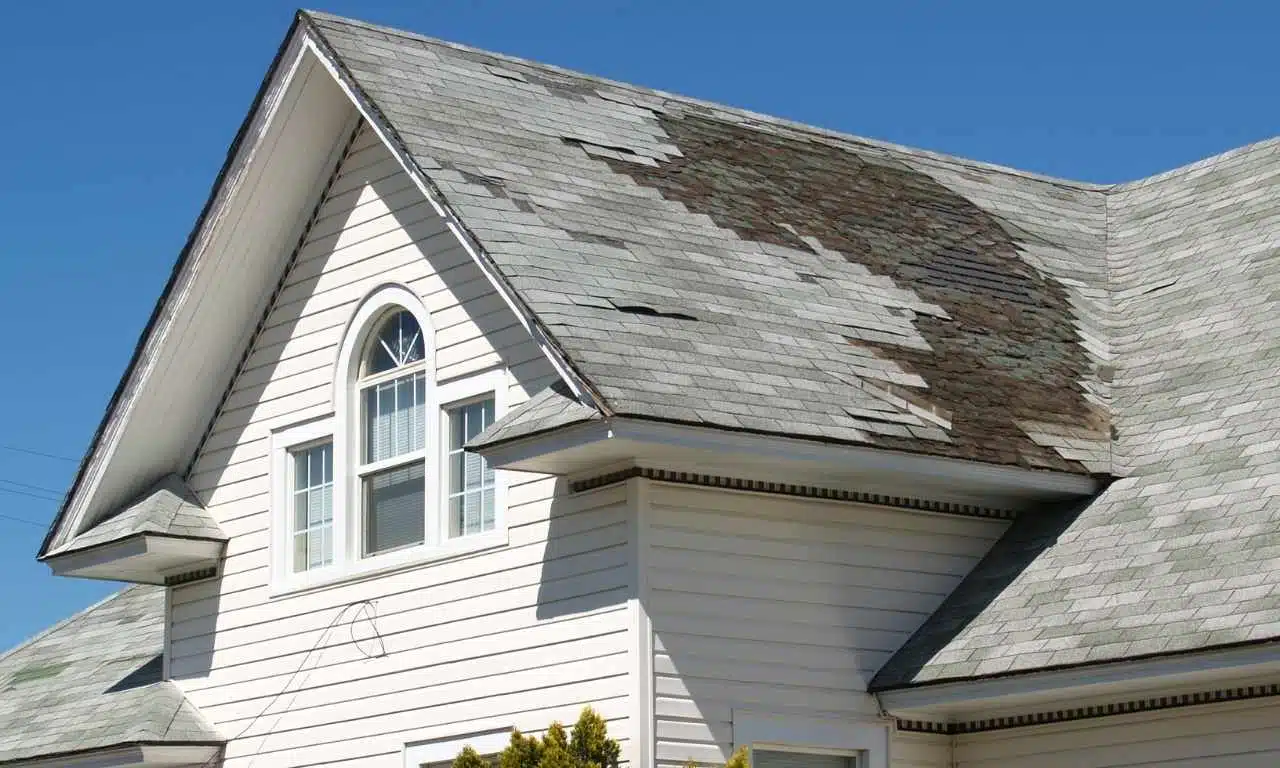
Selling a home in Phoenix is tough enough, but when the house needs significant repairs, the stress hits a whole different level. Leaks in the ceiling, cracks creeping along the walls, and an AC system barely holding on in 115° heat all add up fast. And for many homeowners searching, “How to sell my House fast in Phoenix,” the fear is always the same. They worry that the buyer will walk in, spot every flaw, and slash the price immediately.
If you’re preparing to sell a property with major repair needs, you’re not alone. Phoenix has one of the nation’s oldest inventories of desert-built homes. It’s more common than you think and more manageable than it feels. This guide walks you through how to avoid price cuts, even when your home isn’t in perfect shape.
Why Buyers Push for Price Reductions in Phoenix
Phoenix buyers tend to be repair-savvy. Many lived through years of extreme weather and understand that even a minor issue today can turn into a thousand-dollar repair tomorrow. So, when buyers will often expect to negotiate when they see:
- Roof wear or tile damage
- Cracked slabs or shifting foundations
- HVAC units older than 12 to 15 years
- Old insulation or wiring
- Hard-water plumbing erosion
- Sun-damaged exterior stucco
But you can still control the narrative, and in many cases, prevent those last-minute reductions that drain equity and cause deals to fall apart.
1. Know What Buyers Really Care About
Some repairs worry buyers more than others. In Phoenix, the “big three” that often trigger price negotiations are:
1) Roof condition: Because summer monsoon storms plus aging roofs equal leaks. If your roof is aging but not failing, consider getting a roof inspection report. It gives buyers confidence and can prevent exaggerated repair demands.
2) HVAC age: Arizona buyers live for AC. A tired HVAC system raises eyebrows instantly. If your unit is old but still functioning well, a pre-listing service report can keep buyers from assuming the worst.
3) Structural cracking: Desert soil shifts, especially in older neighborhoods. Not all cracks are structural, but they look scary to buyers. A structural engineer’s written evaluation (even a short one) can save you thousands in negotiation cuts.
Not every repair is needed. Some need documentation, not renovation.
2. Don’t List Before You Understand the Repair Narrative
Before letting buyers shape the conversation, get ahead of the story. Here’s what many Phoenix homeowners successfully do:
- Get a basic inspection (not mandatory, but extremely helpful)
- Note what’s cosmetic vs. what’s critical
- Decide what’s worth repairing and what’s worth explaining
- Prepare a short repair disclosure with context instead of surprises
When buyers discover issues that you didn’t mention, they assume there’s more hidden, which usually leads straight to price reduction requests.
3. Fix the Cheapest Repairs with the Biggest Impact
You don’t need to renovate. You just need to eliminate the most obvious buyer worries. These low-cost fixes often have significant value:
- Servicing an older HVAC unit ($90 to $150)
- Repainting sun-damaged fascia boards
- Sealing hairline stucco cracks
- Replacing damaged window screens
- Cleaning up yard debris or dried-out landscaping
These small touches prevent buyers from mentally discounting your home before they even walk in.
4. Stage with Intention, Especially With Repaired Homes
You’d be surprised how much presentation affects perceived condition. Research shows staged homes often sell for 1% to 5% higher, even with outdated features. For repair-heavy homes, focus on clean and uncluttered spaces, natural light, neutral colors, a tidy exterior, and a simple furniture layout. Buyers are far more forgiving of repairs when a home feels well-kept.
5. Consider a Pre-Inspection to Prevent Big Surprise Negotiations
This strategy isn’t for everyone, but for some Phoenix sellers, it works brilliantly. A pre-inspection lets you see issues before the buyer does, provides documentation to reduce fear, sets your price based on reality, and shows that you’re transparent and proactive. Buyers often skip heavy negotiation when they feel like they’re getting the complete picture from the start.
6. When Repairs Are Too Big… Choose a Buyer Who Won’t Ask for Reductions
Some homeowners discover that traditional buyers will always ask for concessions, especially with older homes. You might be dealing with larger issues, such as:
- Old roofs
- Outdated electrical
- Cracked slabs
- Water damage
- Old AC systems
- Full-house repair lists
With these types of repairs, traditional buyers may walk away or demand deep price cuts. In these cases, sellers often turn to cash home buyers in Phoenix for a simpler, as-is solution. These buyers don’t expect repairs, don’t request renovations, and typically don’t renegotiate after inspections, which protects your sale price from shrinking.
7. Don’t Let Emotion Drive the Negotiation
It’s easy to get discouraged when a buyer sends a long repair request list. But remember:
- Buyers are trying to minimize their risk.
- You still control the price, the pace, and the negotiation boundaries.
- You can always decline reductions and keep the home on the market.
- There is always more than one type of buyer.
Remember that negotiations are often a normal part of the Phoenix real estate landscape.
A Note for Phoenix Homeowners Feeling Overwhelmed
If repairs feel endless or your home needs more work than you’re ready to take on, there are alternatives. At Diamond Equity Investments, we buy houses in Phoenix, no matter the condition. There are no commissions or hidden fees.
Frequently Asked Questions
1. Should I repair everything before listing?
Not usually, but many sellers only fix the essentials and document the rest. Small repairs often give the biggest return.
2. What if the buyer wants a considerable price cut after inspection?
You can counter, decline, or offer small concessions instead. You’re not obligated to accept a large reduction.
3. Can I sell my house without fixing anything at all?
Yes, some buyers, like Diamond Equity Investments, purchase homes completely as-is, even with major repairs. Options vary, but many sellers choose this route when renovations feel overwhelming.
4. Do homes with major repairs still sell quickly in Phoenix?
Some do, especially if priced correctly and presented transparently. Others choose a non-traditional route for a faster, more predictable sale.